For Business

News & Economic Data

How to Read an Economic Calendar

An economic calendar is read one row at a time: the time on your platform's clock, the currency, the importance, the previous, the forecast, and the actual that stays empty until the minute. This paper shows you the columns of one row and what each says; the idea as a departures board, on which the time is fixed and the train's contents are not; the row's minute on the euro on 4 September 2026, 40.7 pips in five minutes on real bars; previous, forecast and actual on one scale, with the surprise as the gap; and the calendar filter on your platform that cuts the week to its few minutes.

Difficulty
Beginner
Reading time
5 min
Pages
8
Reviewed by
Saman Rahbar

This paper is locked

Read it in the browser and keep the PDF with Premium, or buy this one paper.

One row, seven columns

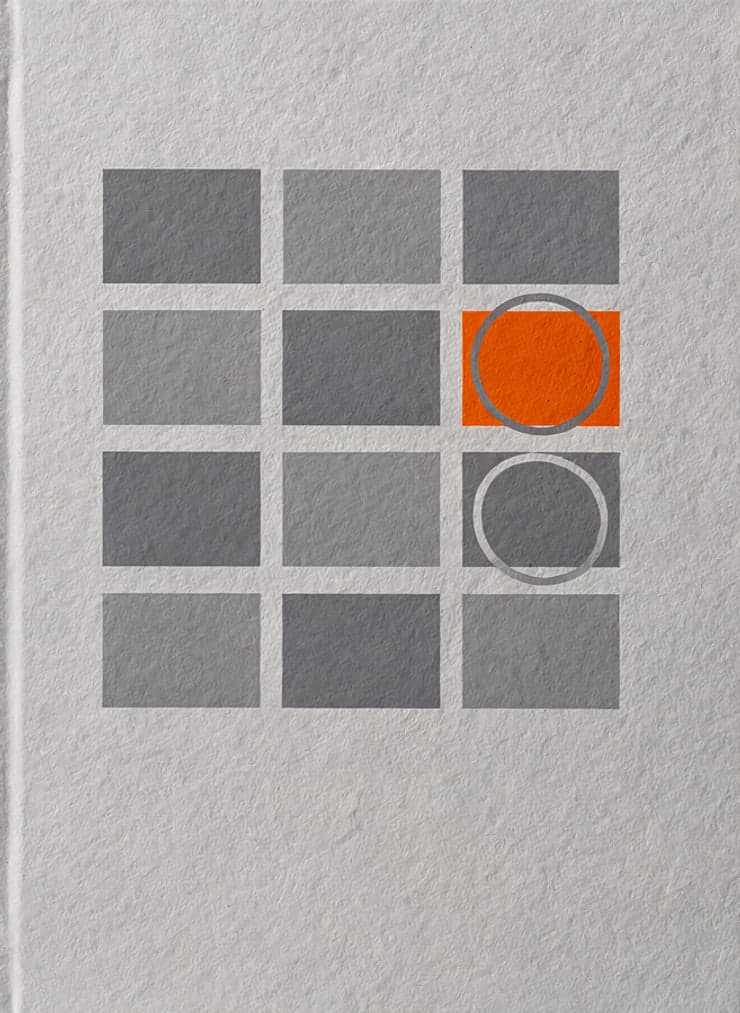
A calendar is read one row at a time. The time, 15:30 on the feed's clock, and the currency, USD, because the number is about the dollar. The importance, high, and the event, non-farm payrolls, the month's new jobs counted. The previous, last month's number, already known and already in the price. The forecast, the number the market expects, the middle of many guesses. And the actual, empty until 15:30 on 4 September 2026 and then filled, and the gap between it and the forecast is the surprise the price moves on. The first four columns are known days ahead. Reading the calendar is reading those four before the fifth lands.

A departures board

Picture a departures board. It says when and from which platform; it does not say what the train will carry, and the gold row is the one the platform fills up for. Nobody is surprised by the 15:30, because it was on the board for weeks. Everybody can be surprised by what steps off it. An economic calendar is a departures board for numbers: the minute is fixed weeks ahead, the currency is the platform, the importance is how full the concourse gets, and the number itself arrives on the minute and not before, which is why the minute, not the number, is the thing to read first.

This paper is locked