For Business

Markets & Instruments

What Moves the Gold Price

Five hands move the gold price, each by its own route: the dollar, because gold is priced in it; interest rates, because gold pays none; fear, because gold is nobody's promise; central banks, in tonnes; and mines and jewellers, slowly. This paper shows you the five in five lines; the idea as a cork in a tank, with the water, a stone and the wind; gold on daily bars through 2026 with its high and low so far; the same ounce priced in dollars and in euros at 10:00 and 18:00 on 25 August 2026, which measures the dollar hand; and the calendar rows on your platform under which gold's movers are found.

Difficulty
Beginner
Reading time
5 min
Pages
8
Reviewed by
Saman Rahbar

This paper is locked

Read it in the browser and keep the PDF with Premium, or buy this one paper.
What moves gold, in five lines

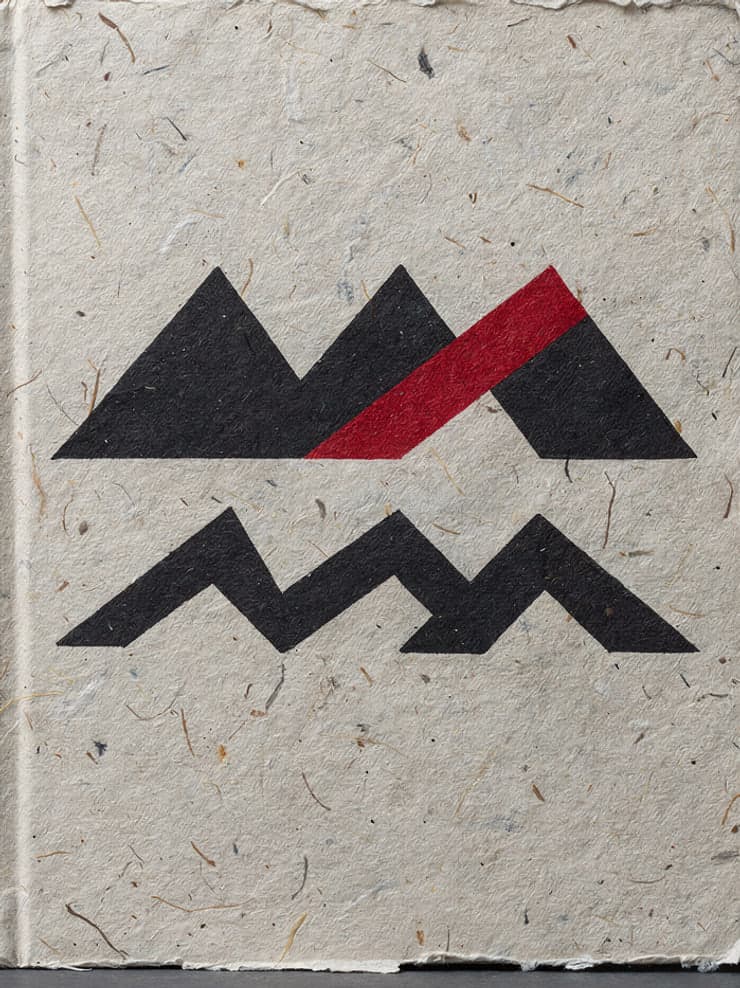
Five hands are on the gold price, and each reaches it by its own route. The dollar: gold is priced in dollars, so a cheaper dollar is a bigger number for the same ounce, before anything about gold has changed. Interest rates: gold pays no interest, so when cash pays more, holding gold costs more in what is forgone. Fear: gold is nobody's promise, and when promises look shaky more people want the metal. Central banks hold it as reserves and buy and sell in tonnes. Mines and jewellers are the supply and the ordinary demand, slow and mostly in the background. All five pull at once, and the chart is the sum.

A cork in a tank

Picture a cork floating in a tank, read against a ruler on the wall. The cork is gold. The water is the dollar's level: raise the water and the cork reads higher on the ruler without floating any better, which is what a weaker dollar does to the gold number. The stone on its string is interest rates, pulling the cork down harder as rates rise, because cash paying more makes a metal that pays nothing dearer to hold. The wind is fear, pushing the cork up when promises look shaky. Central banks and mines are hands on the tank's edge, adding water or scooping it out slowly.

This paper is locked