For Business

Markets & Instruments

What Is the S&P 500

The S&P 500 is an index of about five hundred of the largest companies listed in the United States, weighted by size, published in its present form since 1957, and the number most people mean by the American market. This paper shows you the index in five lines; the idea as a wall of five hundred tiles sized by worth; the weighting in numbers with example figures; a 30-point move at three sizes at an example broker; and US500 on your platform, with its tick value and its two sets of hours.

Difficulty
Beginner
Reading time
5 min
Pages
8
Reviewed by
Saman Rahbar

This paper is locked

Read it in the browser and keep the PDF with Premium, or buy this one paper.

The S&P 500, in five lines

The S&P 500 is an index of about five hundred of the largest companies listed in the United States, weighted by size, so that the biggest company counts the most and the smallest hardly at all. S&P Dow Jones Indices has published it in this form since 1957, and a committee picks the members. The number is in points, 6,000.00 as a round example, since this library holds no S&P bars. On a platform it appears as US500, SPX500 or a similar name, a CFD on the futures, where a CFD is a contract on the price difference and one lot is one index. When people say the American market went up today, this is the number they mean.

Five hundred tiles on a wall

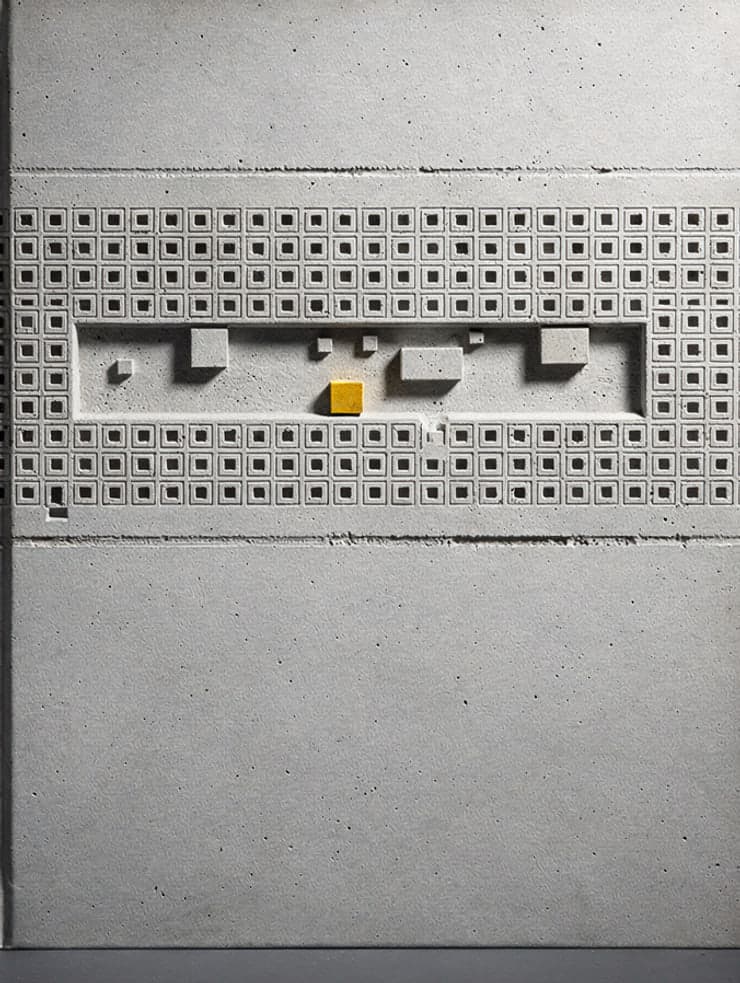
Picture a wall of five hundred tiles, each sized by what its company is worth. A handful of tiles cover a third of the wall; four hundred small ones share the rest. The wall goes up when the big tiles go up, and it barely notices a small one whatever happens to it. That is what weighting by size means, and it is why the index number can rise on a day when most of its companies fell, if the biggest few rose.

This paper is locked