For Business

Trading Strategies

What Is the Three-Touch Rule

The three-touch rule says a price the market has turned back from three times is a level, and not before. This paper shows you gold's three summer highs of 2025 — 6 May, 16 June and 23 July, within 16.49 dollars of each other — from real bars; the idea as a stool that stands on three legs and tips on two; the band on the daily chart, and the fourth visit on 1 September that went through it; the three touches on a target, as a band half a per cent wide; and the objects list that keeps count of the touches on your platform.

Difficulty
Intermediate
Reading time
5 min
Pages
8
Reviewed by
Saman Rahbar

This paper is locked

Read it in the browser and keep the PDF with Premium, or buy this one paper.
Three highs at one price

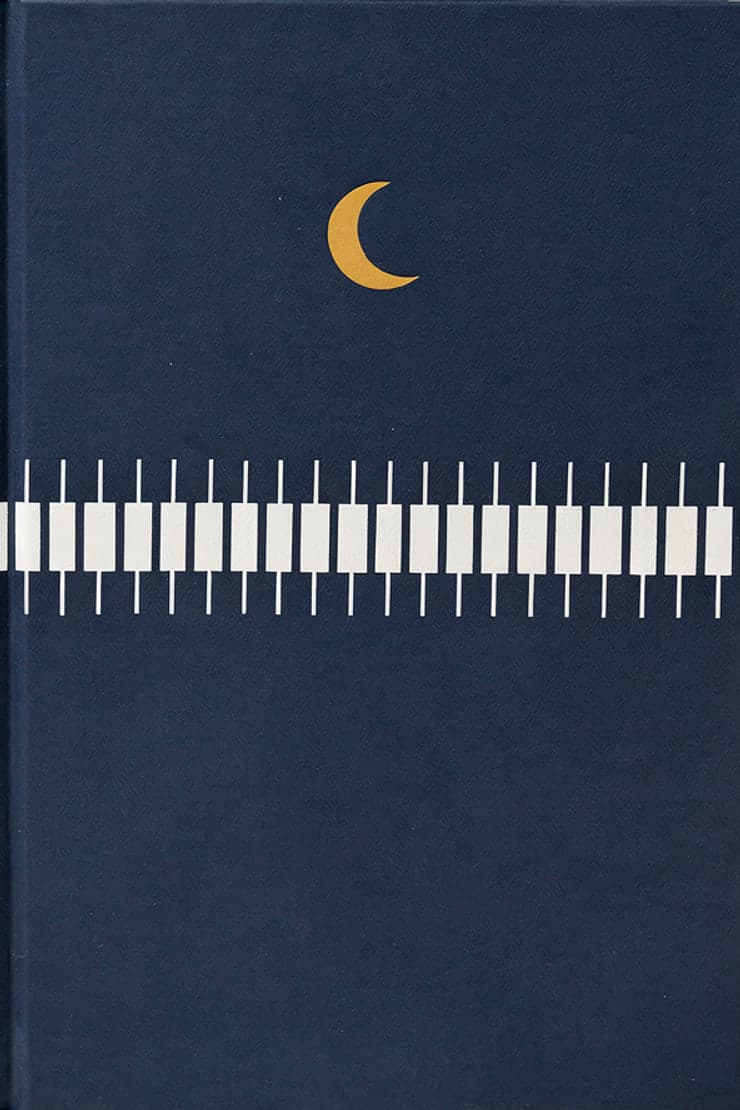
The three-touch rule is a rule about when a price becomes a level. A level is a price the market has turned back from, and the rule says: three times, and not before. Take gold in the summer of 2025. On 6 May the high was 3434.66; on 16 June, 3451.15; on 23 July, 3438.90. Three highs within 16.49 dollars of each other, about four weeks apart, and between them no day closed above the lowest of the three. The band from 3434.66 to 3451.15 is the level those three touches drew, and after the third touch the rule allows a strategy to treat it as one.

A stool on three legs

Picture a stool. One leg is a point: a high on its own says nothing about where the next one will be. Two legs make a line, and a two-legged stool tips over: two highs at the same price can be a coincidence. Three legs stand. The rule asks for three touches before it calls a price a level, because turning back three times, weeks apart, is the market showing the same thing three times. The rule is about when a line becomes a level. It says nothing about what the price will do at the level next time, and neither does this paper.

This paper is locked