For Business

Trading Strategies

What to Do When There Are No Signals

When a strategy gives no signal, the card is being read every day and answered no, and the silence has its own jobs: the review, the scorecard's strip, the assumptions checked against the chart. This paper shows you one card's ten cues on gold in 2025 from real bars, with 63 and 111 trading days of silence between them; the idea as a fishing float sitting upright on still water; the 111 quiet days on the chart, where the card's lines never met; the two reviews that fell inside that silence; and the chart template that keeps the card's chart from drifting on your platform.

Difficulty
Advanced
Reading time
5 min
Pages
8
Reviewed by
Saman Rahbar

This paper is locked

Read it in the browser and keep the PDF with Premium, or buy this one paper.
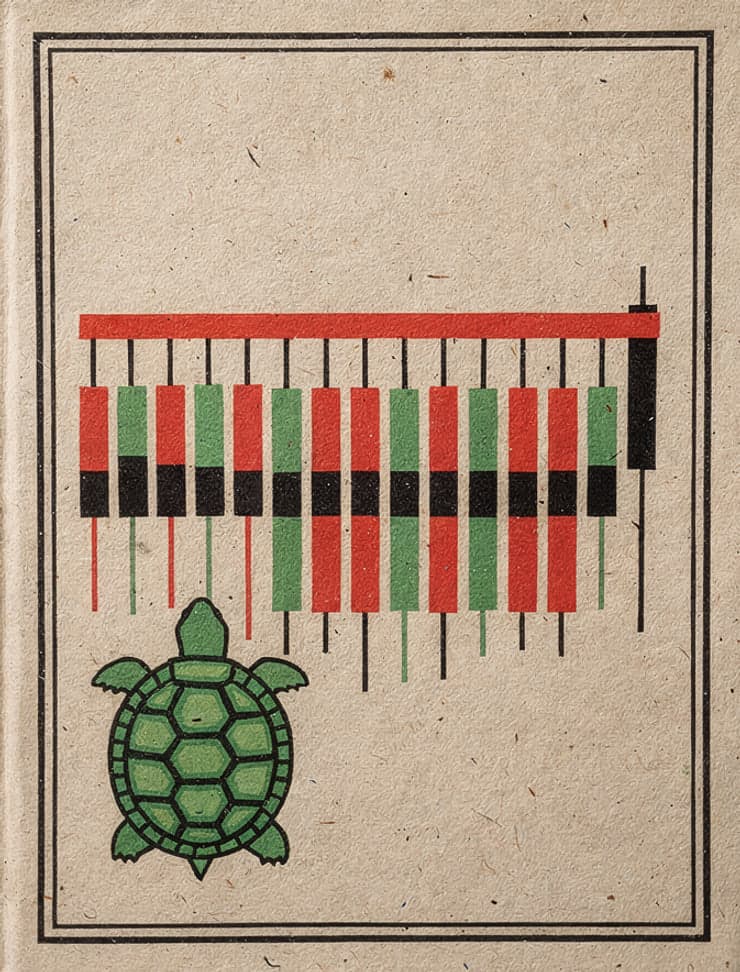
Ten cues, and the silence between

A strategy card that speaks ten times a year is silent on the other 248 trading days, and the silence is the card working, not failing. Take the card from the earlier papers on gold — five closes above the 20-day average, a low within ten dollars of it, a close above. In 2025 it spoke ten times. Between 26 February and 27 May it said nothing for 63 trading days; between 24 July and 29 December, for 111. On every one of those days the card was read and answered no. That is what no signal is: not a gap in the card, but the card's answer on a day the market did not do what it waits for.

A float on still water

Picture a fishing float on still water. The line is in, the float is upright, and nothing has taken it; that is the report, given every minute, and it is not the same as no report. A strategy with no signal is a float sitting still: every line on the card is being read and none has come true. Reeling in to check is what spoils the water — swapping the card, loosening a number, reading a cue into a bar that does not have one. No signal is a signal. It says the card is being run, and the market has not yet done the thing the card is waiting for.

This paper is locked