For Business

Trading Strategies

What Is the Retest Entry Strategy

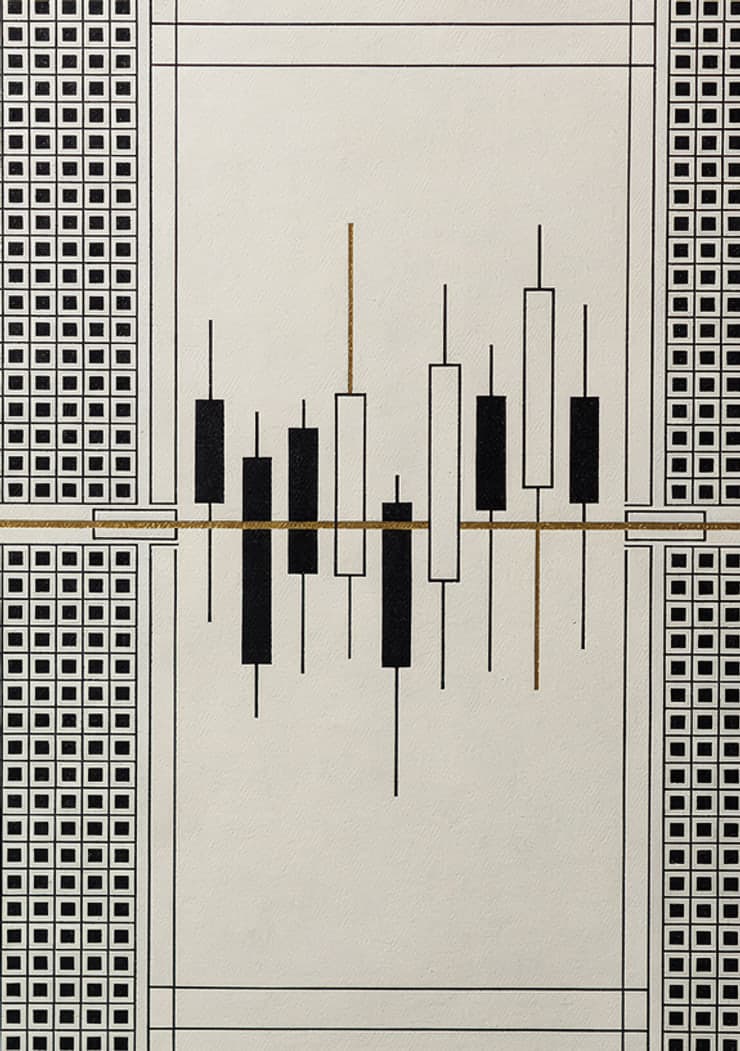
The retest entry strategy is built on a level the price has broken and on the day the price comes back to that level from the other side. This paper shows you gold's 24 February 2025 high, the 13 March close that broke it and the 7 April low that came back to it, from real bars; the idea as a ceiling the price went through and came back to stand on; the three days on the daily chart; the return day under the glass, with the low a quarter of a dollar off the level; and the horizontal line that keeps the level on your platform.

Difficulty
Intermediate
Reading time
5 min
Pages
8
Reviewed by
Saman Rahbar

This paper is locked

Read it in the browser and keep the PDF with Premium, or buy this one paper.

A level, a break, a return

The retest entry strategy is built on a level and a return. A level is a price the market has turned back from — a high or a low that held. Take gold in 2025. On 24 February the high was 2956.13, and for thirteen trading days no close went above it. On 13 March the close was 2988.65, above the level by 32.52: the break. Seventeen trading days later, on 7 April, the low came back down to 2956.38, 25 cents above the level, and the day closed at 2982.22. The return to a broken level from the other side is the retest, and it is what the strategy watches for.

A ceiling that becomes a floor

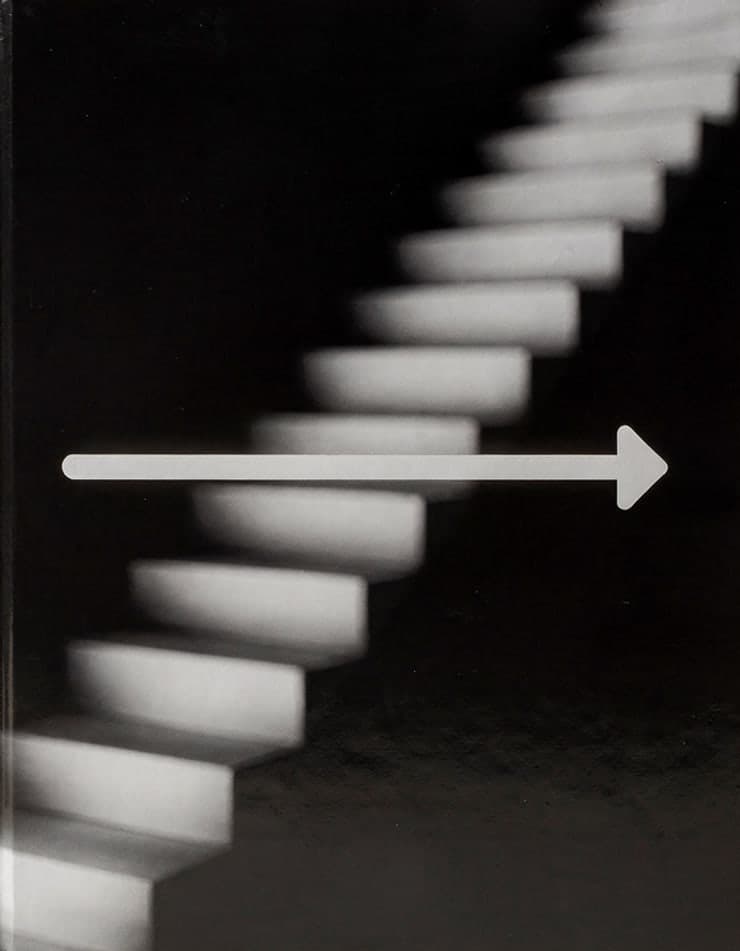
Picture a slab. From below it is a ceiling, the level the price kept turning back from. The price goes up through it. Then it comes back down and stands on it, because the same slab is a floor from above. That standing-on is the retest. The strategy does not watch the break itself, which is a day it can only see after the close. It watches the return, days or weeks later, when the price comes back to the slab from the other side, and whether the slab holds: a low near the level and a close above it, as on 7 April. A close back through the slab means it did not.

This paper is locked