For Business

Trading Strategies

What Is the 5-Minute Scalping Strategy

The five-minute scalping strategy is built on five-minute bars and a short average of them, and on a close crossing that average, watched for the next few bars. This paper shows you the euro's crossing at 10:15 on 17 December 2025 from real bars, with a nine-pip high twenty minutes later; the idea as a row of five-minute hourglasses; the twenty minutes on the chart; the same cue eight times in one three-hour morning, with what the next six bars did each time; and the spread column that a five-minute strategy is written beside on your platform.

Difficulty
Intermediate
Reading time
5 min
Pages
8
Reviewed by
Saman Rahbar

This paper is locked

Read it in the browser and keep the PDF with Premium, or buy this one paper.
A close across a short average

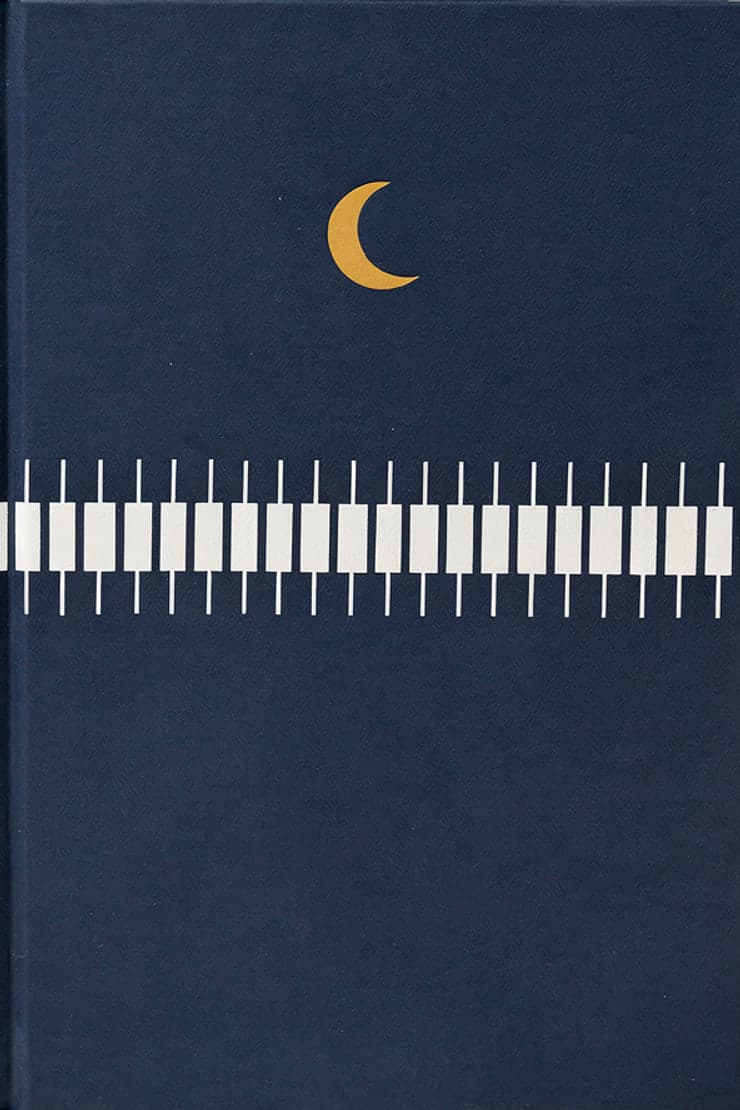
The five-minute scalping strategy is built on five-minute bars and one short average of them. A five-minute bar is the open, high, low and close of five minutes of price, and a 20-bar average is the average of the last twenty closes, a hundred minutes of price. Take the euro against the dollar on 17 December 2025. At 10:15 London time the close, 1.17122, was above the average at 1.17118 for the first time that morning. Twenty minutes later, at 10:35, the high was 1.17212, nine pips on. A close across the average, watched for the next few bars, is the strategy's whole shape.

A five-minute hourglass

Picture a row of five-minute hourglasses, one per bar. A scalp — a trade meant to last minutes — lives inside a handful of turns of the glass: the bar that crossed the average, and the three or four after it. The five is only the timeframe. The strategy is what it watches on those bars, here a close across a short average, and how many turns of the glass it gives that watch before it stops. On 17 December the move it was watching for arrived in four turns. On other mornings it does not arrive, and the glass runs out with the price where it was.

This paper is locked