For Business

Trading Psychology

What Is Loss Aversion

Loss aversion is a loss weighing more than the same gain — about twice as much in the research that named it — so that a trade's two equal distances are felt as unequal and every decision with a loss in it is bent. This paper shows you the same 100 dollars won and lost on the euro against the dollar at its 17 December 2025 price; the idea as a spring balance with a gold coin and a lead one of the same face; the two equal lines on the fifteen-minute chart; what the heavier coin does to the two orders, pushing the stop away and pulling the target in; and the Modify window on your platform, where both moves are typed.

Difficulty
Beginner
Reading time
5 min
Pages
8
Reviewed by
Saman Rahbar

This paper is locked

Read it in the browser and keep the PDF with Premium, or buy this one paper.
The same 100 dollars, won and lost

Loss aversion is a loss weighing more than the same gain. On the euro against the dollar at 1.17166, its 10:15 close on 17 December 2025, 25 pips either way at 0.40 lot is 100 dollars. Banked, the 100 feels like about 100. Taken, the 100 feels like about 200; the research that named the effect found a loss weighing roughly twice the same gain, and traders are not exempt from it. The two together are zero in money and about minus 100 as felt. The account keeps the first sum. The trader keeps the second, and the second is the one that decides what happens on the next trade.

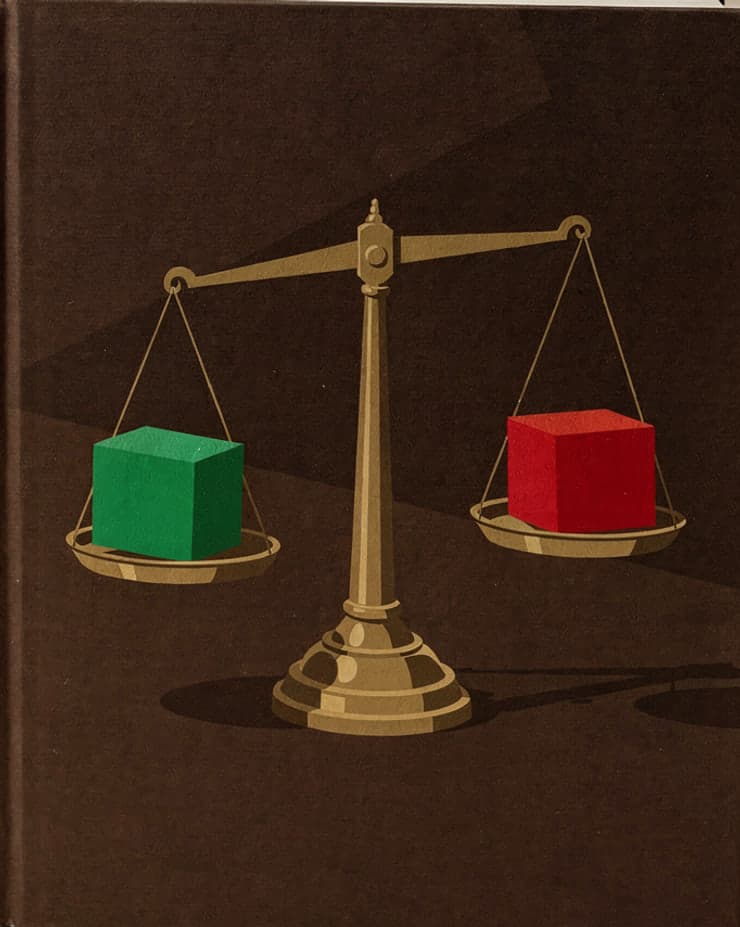
A spring balance

Picture a spring balance with a coin on its hook. Two coins are stamped with the same number, 100; one is gold and one is cast in lead, and the spring stretches twice as far for the lead one. A loss is the lead coin. The account reads the face of the coin, and the face says 100 either way; the trader reads the spring, and the spring says the loss is twice the gain. Loss aversion is not a mistake in the arithmetic. It is a reading from a different instrument, and it is the instrument in the trader's hand when the next decision is made, which is why the plan is written with the other one.

This paper is locked