For Business

Trading Strategies

What Is Hedging

Hedging is holding a second trade that moves the opposite way to the first, so that a move in the price no longer changes what the two are worth together. This paper shows you one trade bought and one sold at gold's 22 April 2025 close and what each was worth day by day from real prices, the idea as an umbrella that stops the rain reaching you without stopping the rain, the frozen pair on the daily chart, what the umbrella costs in spread, swap and margin, and the two account types on your platform that treat the pair differently.

Difficulty
Beginner
Reading time
5 min
Pages
8
Reviewed by
Saman Rahbar

This paper is locked

Read it in the browser and keep the PDF with Premium, or buy this one paper.
Two trades that cancel

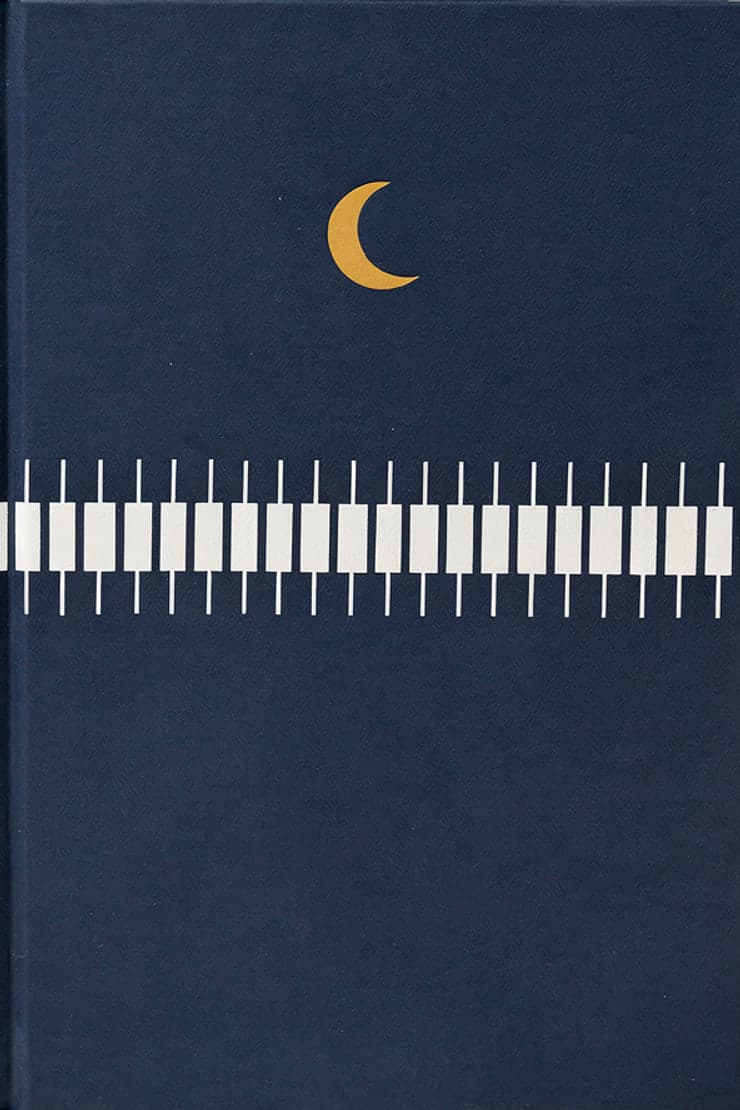
Hedging is holding a second trade that moves the opposite way to the first. Take gold from 22 April to 2 May 2025, with one trade bought at the 22 April close of 3380.62 and one sold there. On 1 May the close was 3238.46: the bought trade was 142 dollars under, and the sold trade 142 over. Every day one is exactly what the other is not, and together they are always nought. A move in the price no longer changes what the two are worth together; that is what a hedge does, and it is all it does.

An umbrella

Picture an umbrella. It does not stop the rain; it stops the rain reaching you. A hedge does the same with a price move: the move still happens, and the first trade still rises or falls with it, but the second trade falls or rises by the same amount, and together they stand still. An umbrella costs money to carry and it is heavy, and it has to be put down again before you can do anything with your hands. Those three things are true of a hedge too.

This paper is locked