For Business

Trading Strategies

What Is Grid Trading

Grid trading places orders at fixed steps above and below the price, like the rungs of a ladder, and each order is filled when the price crosses its rung. This paper shows you a 25-dollar grid over gold's real July 2025 closes, crossed twenty times inside a 156-dollar range, the idea as a ladder, the rungs on the daily chart, the September walk in which the price crossed sixteen rungs upward and never came back, and the pending orders that make a grid on your platform.

Difficulty
Beginner
Reading time
5 min
Pages
8
Reviewed by
Saman Rahbar

This paper is locked

Read it in the browser and keep the PDF with Premium, or buy this one paper.
A grid over one month's closes

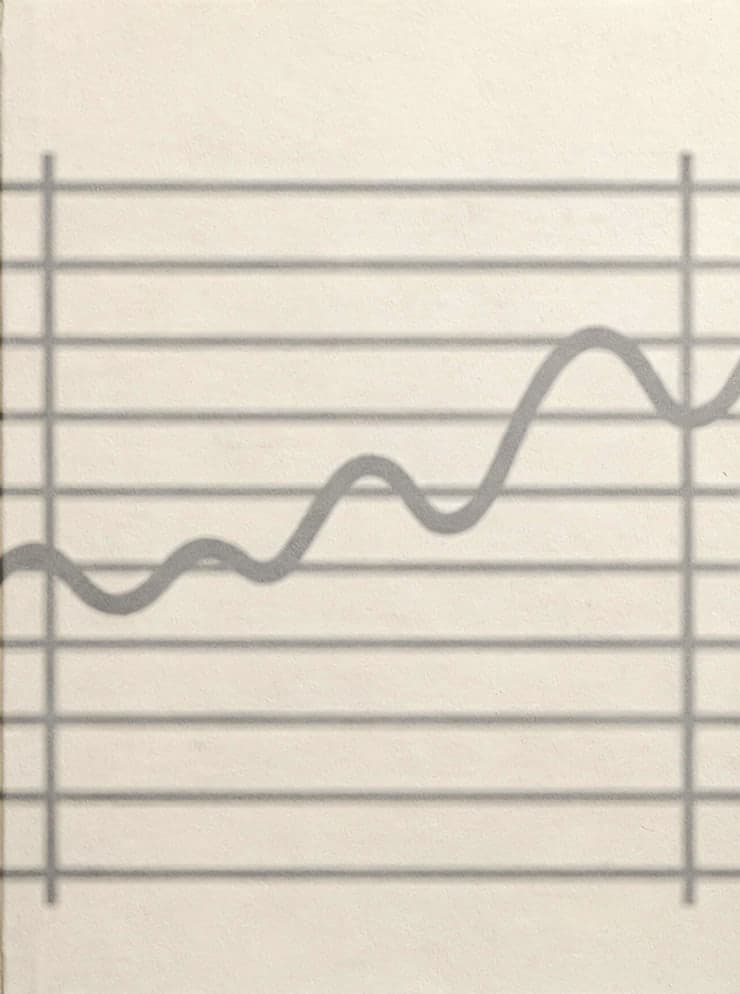
Grid trading places orders at fixed steps above and below the price. Here is a grid over real closes: gold in July 2025, with rungs every 25 dollars from 3275 to 3450 and the daily close drawn as a line across them. Each order on the grid is filled when the price crosses its rung. In July the close crossed a rung twenty times, nine times going up and eleven going down, inside a range of 156 dollars. Grid trading is the family of strategies built on that: fixed steps, filled as the price walks across them, whichever way it walks.

A ladder

Picture a ladder. Every rung is an order at one price, with the same gap between rungs all the way up and all the way down: orders to sell on the rungs above the price, orders to buy on the rungs below, waiting. The price climbs and descends the same rungs, and each crossing fills the order waiting there. The ladder has no top and no bottom of its own. It is exactly as tall as the rungs someone chose to put on it, and a grid does not ask which way the price is going; it waits at every rung, both ways.

This paper is locked