For Business

Trading Psychology

What Is FOMO in Trading

FOMO, the fear of missing out, is the urge to enter a move because it is already moving, and its cost is arithmetic: the later the arrival, the further the same stop is, and the smaller the size that fits the same risk. This paper shows you a real gold run from 3 to 8 October 2025 with two days of arrival against one stop, 122.57 dollars away on the 6th and 202.94 on the 8th; the idea as a wave that has already broken; the run on the daily chart; the distance to the same stop day by day; and the two buttons on your platform, the market button the feeling reaches for and the pending order the plan fills in.

Difficulty
Beginner
Reading time
5 min
Pages
8
Reviewed by
Saman Rahbar

This paper is locked

Read it in the browser and keep the PDF with Premium, or buy this one paper.
Two days of arrival

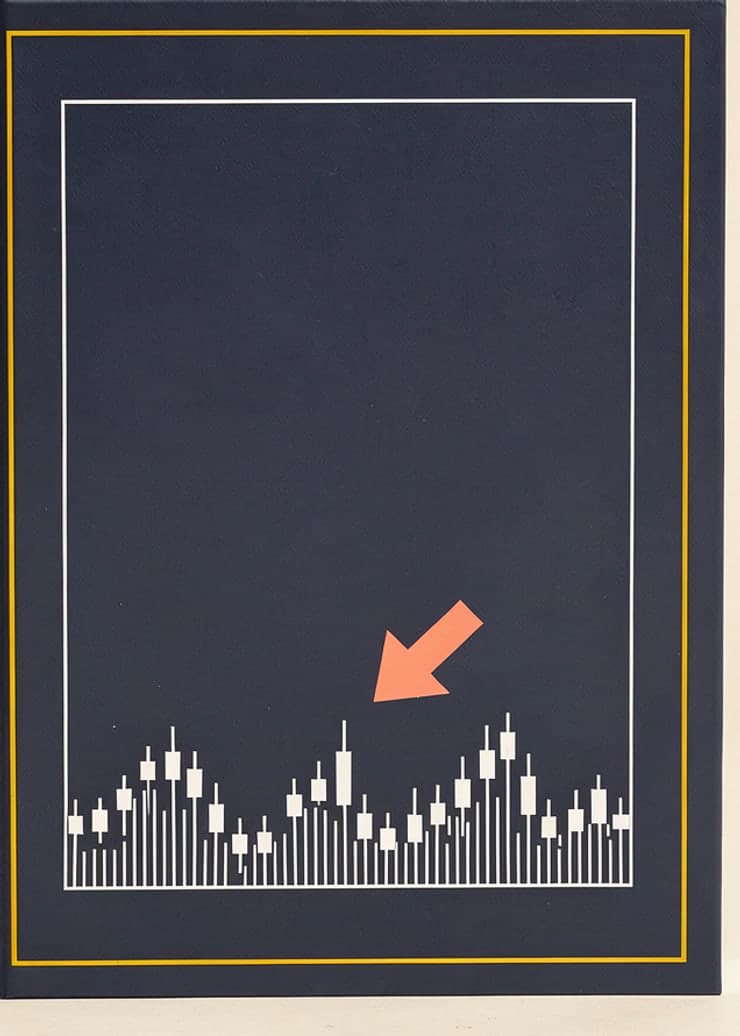
FOMO, the fear of missing out, is the urge to enter a move because it is already moving, and its cost is the arithmetic of the arrival day. Take a real run: gold from its 3 October 2025 close of 3886.97 to its 8 October close of 4040.93, 153.96 in three trading days. With a stop under the run's start, the 3 October low of 3837.99, an entry at the 6 October close is 122.57 dollars from the stop and an entry at the 8 October close is 202.94. The same 1,000 dollars of risk, one per cent of a 100,000-dollar account, fits 0.08 lot on the 6th and 0.04 on the 8th — a lot being 100 ounces — and the next day's low was 96.50 under the late entry. The run was real. So was the arithmetic of arriving late.

A wave that has already broken

Picture a wave that has already broken. It was worth catching where it stood up, out past the break; by the time it can be seen from the beach, standing tall, it is breaking, and the surfer who paddles for it now gets the foam, not the face. The fear of missing out is paddling for that wave. The move that made the run visible is the move that has happened, and the entry the fear wants is the one furthest from where the wave stood up — which, in the arithmetic of the first drawing, is the entry with the widest stop and the smallest size that fits the same risk.

This paper is locked