For Business

Trading Strategies

What Is a Trading Edge

An edge is a reason one side comes out ahead over many turns, written into the table before any single turn is played. This paper shows you the cleanest edge there is, a roulette wheel's 37th pocket, worked out with arithmetic; the idea as a table with a slight tilt that no single ball obeys and every pile does; a day of the euro on the chart against the spread paid on it; the house's take on one round trip as a share of a typical day, in example figures; and the Specification sheet on your platform, where the only printed edge is written.

Difficulty
Advanced
Reading time
5 min
Pages
8
Reviewed by
Saman Rahbar

This paper is locked

Read it in the browser and keep the PDF with Premium, or buy this one paper.
The 37th pocket

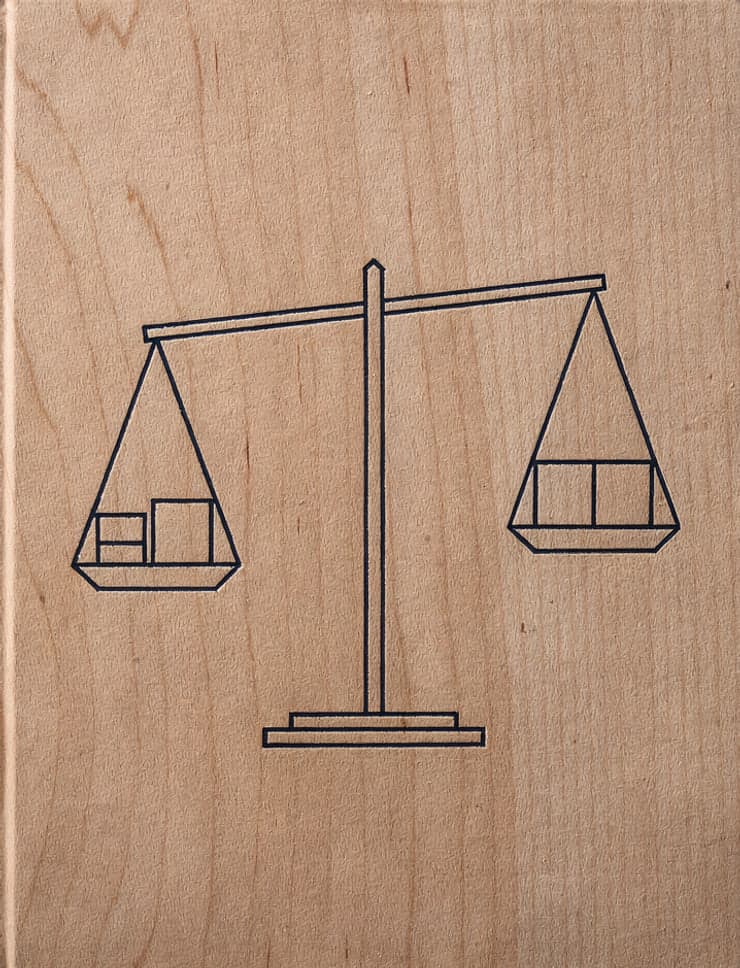
An edge is a reason one side comes out ahead over many turns, and the cleanest one there is can be worked out with nothing but arithmetic. A roulette wheel has 37 pockets, and a dollar on one number pays 35 if it comes up. On average the number comes up once in 37 spins, so 37 dollars staked over 37 spins bring 36 back, and the house keeps one in 37 — 2.7 cents of every dollar, on every bet, on average. That is written into the table before the first ball is dropped. The casino does not know the next spin; it knows the 37th pocket, and that is its whole edge.

A table with a slight tilt

Picture a table with a slight tilt. Every ball rolls a different way and bounces as it goes; no single roll is decided by the tilt, and the pile at the low end is. That is what an edge does over many turns, and what it never does on one. A trading edge is a tilt on the table: a fact about the market that the card is built round — a price that turns back at a level it has turned back at before, a session that opens where the world moved overnight. The card has to say where the tilt is, in words a chart can check. If it cannot, there is no reason to think the table is tilted at all.

This paper is locked