For Business

Price Action

What Is a Marubozu Candle

A marubozu is a candle with no wick, or almost none: the open is at one end of the range and the close at the other. This paper shows you a real one drawn beside an ordinary day, the rule for green, red and almost, the hour-by-hour path inside the candle with no wick, two in a row on the chart, and where the four prices read in a line at the top of your chart.

Difficulty
Beginner
Reading time
5 min
Pages
8
Reviewed by
Saman Rahbar

This paper is locked

Read it in the browser and keep the PDF with Premium, or buy this one paper.
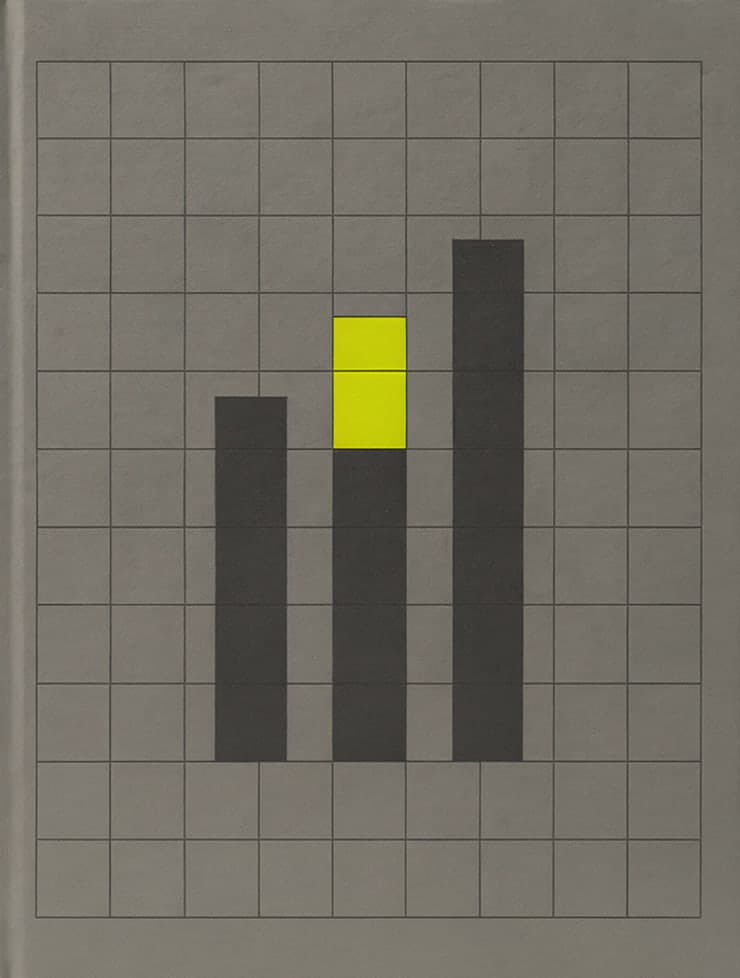
The shaven head

A marubozu is a candle with no wick — the wick is the thin line above or below the body that shows how far the price went beyond where it opened and closed — or almost none. On a green one the open is the low and the close is the high; on a red one the reverse. The word is Japanese for a shaven head. On 13 February 2025 the euro against the dollar drew one: 94 pips from low to high — a pip being the fourth decimal place, the smallest step most people count in — and 90.6 of them body. The day opened at its lowest price and closed at its highest.

The rule

Strictly, a marubozu has no wick at either end: on a green one the open is the low and the close is the high, and on a red one the open is the high and the close is the low. A candle with a few pips of wick is usually still called one, on the working rule that the body is at least 85 per cent of the range. What counts is the body's share of the candle, not the candle's size. A 49-pip day can be a marubozu, and a 341-pip day with long wicks at both ends is not.

This paper is locked