For Business

Price Action

What Is a Gap and Why Gaps Happen

A gap is the space between one candle's close and the next candle's open: prices no trade was done at, because the market was shut while the price moved. This paper shows you a real weekend gap on the euro drawn from two candles, why a closed market leaves one, the gap on the daily chart, a larger one on the Nasdaq, and where the trading hours that make gaps possible are written on your platform.

Difficulty
Intermediate
Reading time
5 min
Pages
8
Reviewed by
Saman Rahbar

This paper is locked

Read it in the browser and keep the PDF with Premium, or buy this one paper.
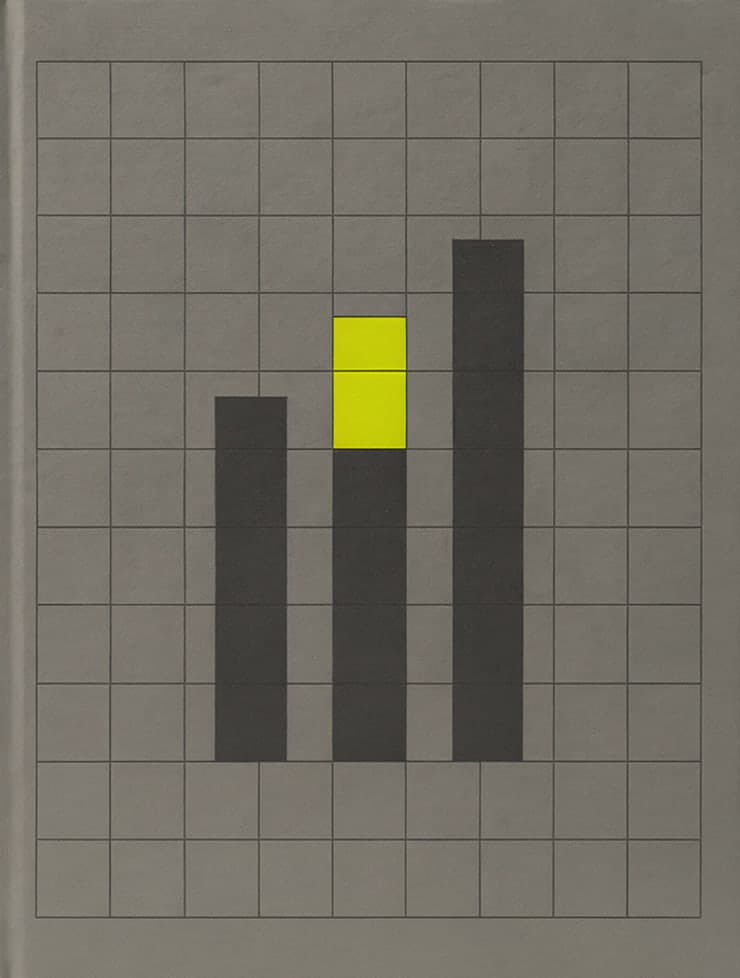
The space between two candles

A gap is the space between one candle's close and the next candle's open. The euro against the dollar closed the week at 1.0358 on Friday 31 January 2025. The next candle, Monday 3 February, opened at 1.02366, 121 pips lower — a pip being the fourth decimal place, the smallest step most people count in. No trade was done at any price between the two, because the market was shut while the price moved from one to the other. Monday's own candle then climbed back up through the band it had jumped over.

Why it happens

The market shuts on Friday night, and the news does not. On Saturday 1 February 2025 new tariffs were announced. When the market opened on Monday, the first price at which buyers and sellers met was 121 pips below Friday's last one, because everyone had read the news over the weekend and nobody would deal at Friday's price any more. A gap is the mark a closed market leaves when the world moves while it is shut.

This paper is locked