For Business

Trading Strategies

Setup, Trigger and Confirmation Explained

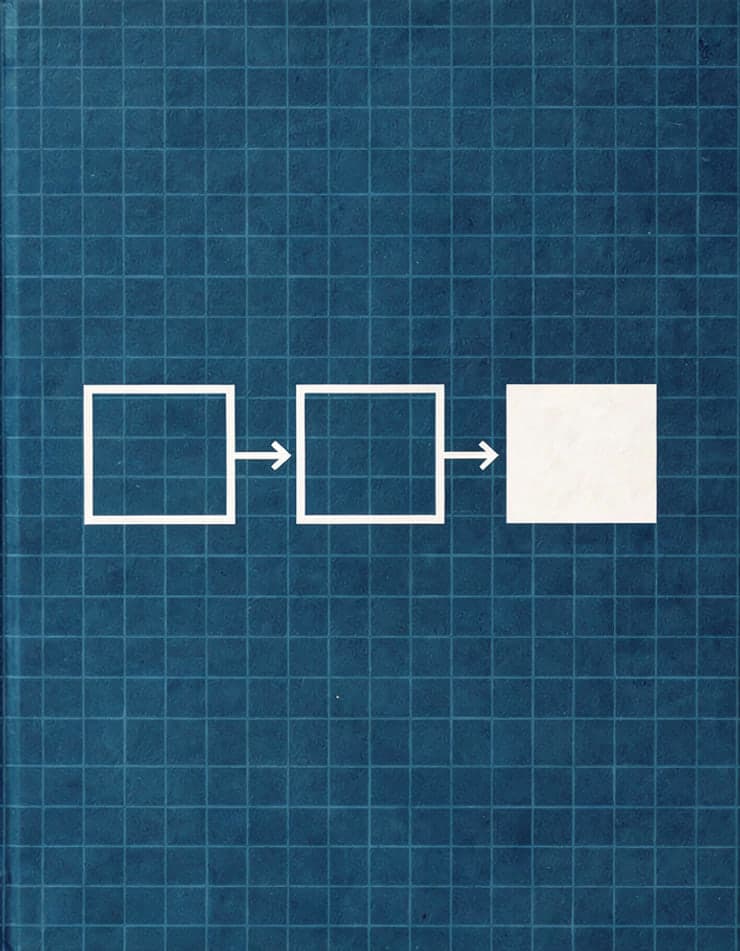
A cue on a strategy card has three parts: the setup, which must already be true; the trigger, the one bar that fires; and the confirmation, the bar that agrees. This paper shows you one cue on gold from real bars — a close above a level on 13 March 2025, a low back at the level on 7 April, and a close above it on 8 April; the idea as a traffic light whose three lights come in a fixed order; the three parts on the daily chart, with the seventeen quiet days between the first two; the cue as three stations on one line; and the alert that rings for the trigger on your platform.

Difficulty
Advanced
Reading time
5 min
Pages
8
Reviewed by
Saman Rahbar

This paper is locked

Read it in the browser and keep the PDF with Premium, or buy this one paper.

Three parts of one cue

A cue on a strategy card has three parts, and each is a different kind of fact. The setup is what must already be true before anything is watched: on gold, on 13 March 2025, the close, 2988.65, was above a level of 2956.13, a high from February. The trigger is the one bar that fires: on 7 April the low came back to 2956.38, a quarter of a dollar off the level. The confirmation is the bar that agrees: on 8 April the close, 2982.13, was above the level again. Three parts, seventeen days and then one day apart, and the cue is not complete until the third.

A traffic light

Picture a traffic light. Red is the setup: the light has changed, the condition is in place, and nothing moves yet. Amber is the trigger: the one bar that fires, and the card gets ready. Green is the confirmation: the next bar agrees, and the card acts. The three come in a fixed order, and a green without a red before it is not a green — a close above a level that was never set up is just a close. Most cards that fail are cards where one light was read as all three. A card written in three lines cannot make that mistake, because each line has its own bar.

This paper is locked