For Business

Price Action

Morning Star and Evening Star Explained

A morning star is three candles at the bottom of a fall — a large red one, a small one, and a large green one that closes past the middle of the first; an evening star is the same three upside down at the top of a rise. This paper shows you a morning star drawn from three real days, the rule in both directions, why the third candle is what makes the name, an evening star on the chart, and how to measure the three with the crosshair on your platform.

Difficulty
Beginner
Reading time
6 min
Pages
8
Reviewed by
Saman Rahbar

This paper is locked

Read it in the browser and keep the PDF with Premium, or buy this one paper.
Three real days

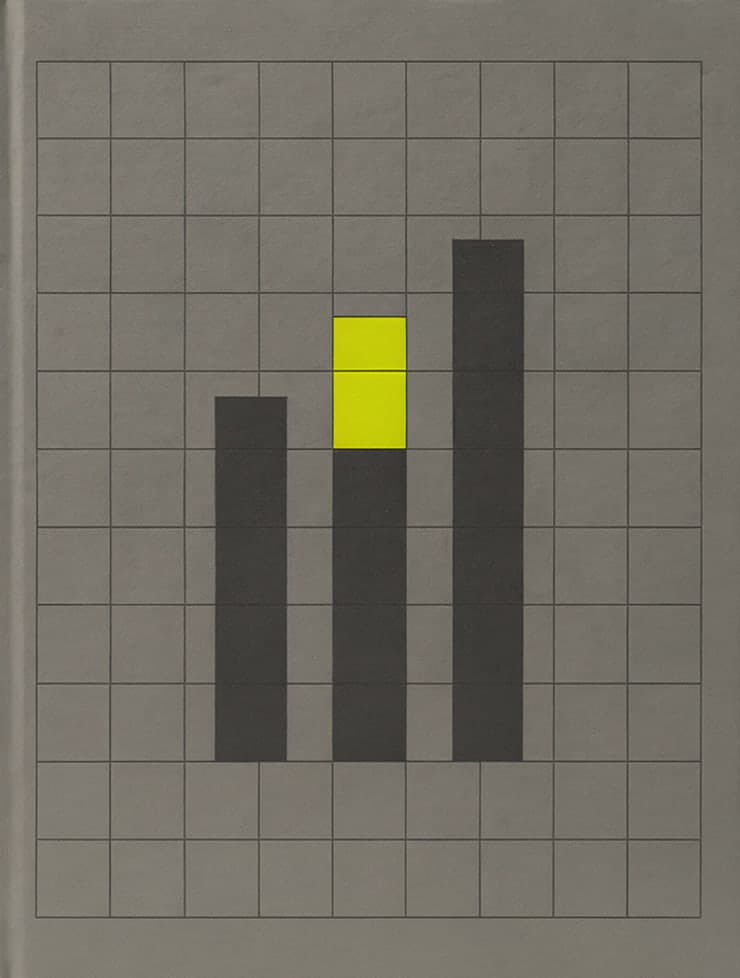
A morning star is three candles at the bottom of a fall. The euro against the dollar drew one on 27 and 28 February and 3 March 2025. The first is a large red candle with an 80-pip body — a pip being the fourth decimal place, the smallest step most people count in — the second falling day in a row. The second is a small body of 19 pips sitting at the bottom: the star. The third is a large green candle that closes above the halfway point of the first one's body. A fall, a pause, and a rise that takes back more than half of the fall, inside three periods.

The rule, both ways

The rule has three parts, and the evening star is the same rule upside down. The first candle has a real body and continues a move. The star's body is no more than a third of the first's, and its colour does not matter — the wicks, the thin lines beyond the body, are ignored throughout. The third candle is the opposite colour to the first and closes past the halfway point of the first candle's body. At the bottom of a fall, red then small then green, that is a morning star. At the top of a rise, green then small then red, an evening star.

This paper is locked