For Business

Trading Psychology

How to Stop Trading for the Day

Stopping for the day is a rule with three triggers, the clock, the count and the number, and the first one to fire ends the day in any mood. This paper shows you the three endings on a real December day, where the count fired at 16:45; the idea as a shop's shutter that comes down at the hour on good days and bad; the three endings as lines across one lane; the desk after the ending, with the laptop shut and the alert still set; and the push-notification setting on your platform that lets the platform be closed and still speak.

Difficulty
Intermediate
Reading time
5 min
Pages
8
Reviewed by
Saman Rahbar

This paper is locked

Read it in the browser and keep the PDF with Premium, or buy this one paper.
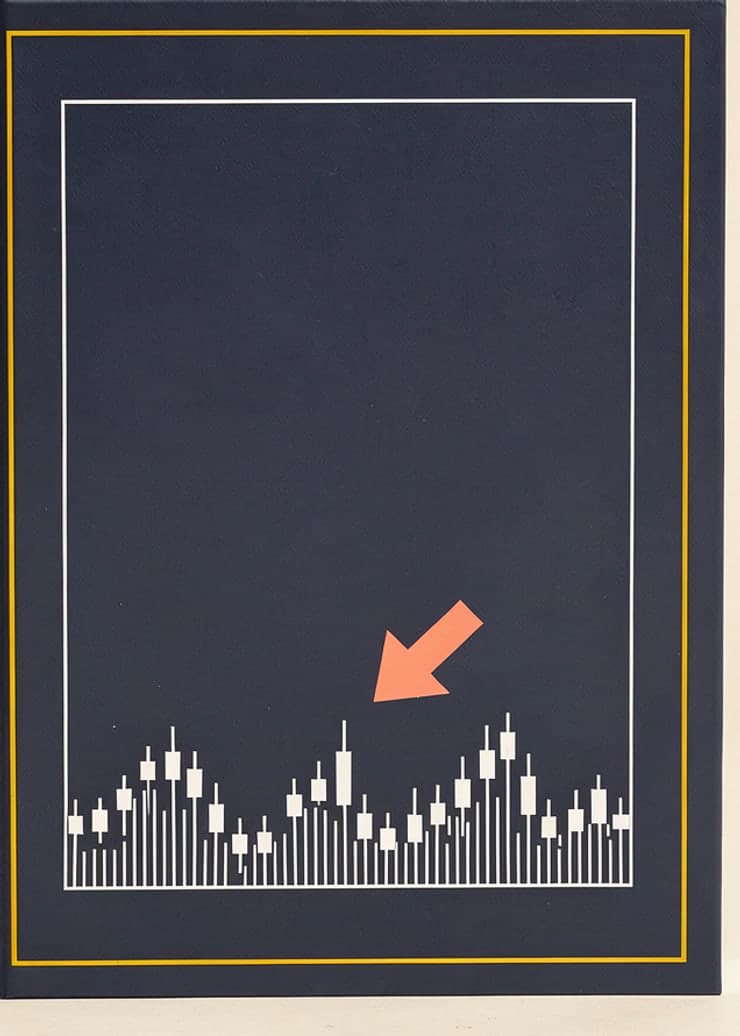
Three endings, whichever comes first

A day has an ending that is a rule, not a feeling. Three triggers, whichever fires first. The clock: 17:00, whatever is happening. The count: the day's one trade closed. The number: the daily loss reached. On 17 December 2025 the euro against the dollar was bought at 1.17166 at 10:15 and the plan's 25-pip line at 1.17416 was first traded at 16:45, and that closed the trade for 100 dollars at 0.40 lot, and the day, by the count. The clock still had fifteen minutes and was not consulted. After the ending: the platform closed, the alerts left on, one journal line. Not after the ending: one more look, one more trade.

The shop's shutter

Picture a shop's shutter, half down at the hour. The till was good today, or it was bad; the shutter does not ask, and it is the not asking that makes it a shutter. A shop that stays open an hour longer because the day went well is the same shop that stays open an hour longer because it went badly, and both are shops whose closing time is whatever the owner feels like, which is no closing time. The stopping rule is the shutter. It comes down on the hour, and the hour was chosen in the morning, by somebody who was not yet tired and had not yet won or lost anything.

This paper is locked