For Business

Trading Psychology

How to Practise Emotional Detachment

Emotional detachment is reading the trade without the I in it: trade 41 closed at its stop, minus 25 pips, grade A, next. This paper shows you one real History row from 24 December 2025 read two ways; the idea as a referee, who has no team and is not sad when the goal goes in; what makes it possible, trades named by number like a row of lockers; how it is practised, at a size where the loss is real and small, like a bike with training wheels; and the Ticket column on your platform, where the detached reading is already written.

Difficulty
Intermediate
Reading time
5 min
Pages
8
Reviewed by
Saman Rahbar

This paper is locked

Read it in the browser and keep the PDF with Premium, or buy this one paper.
One row, two readings

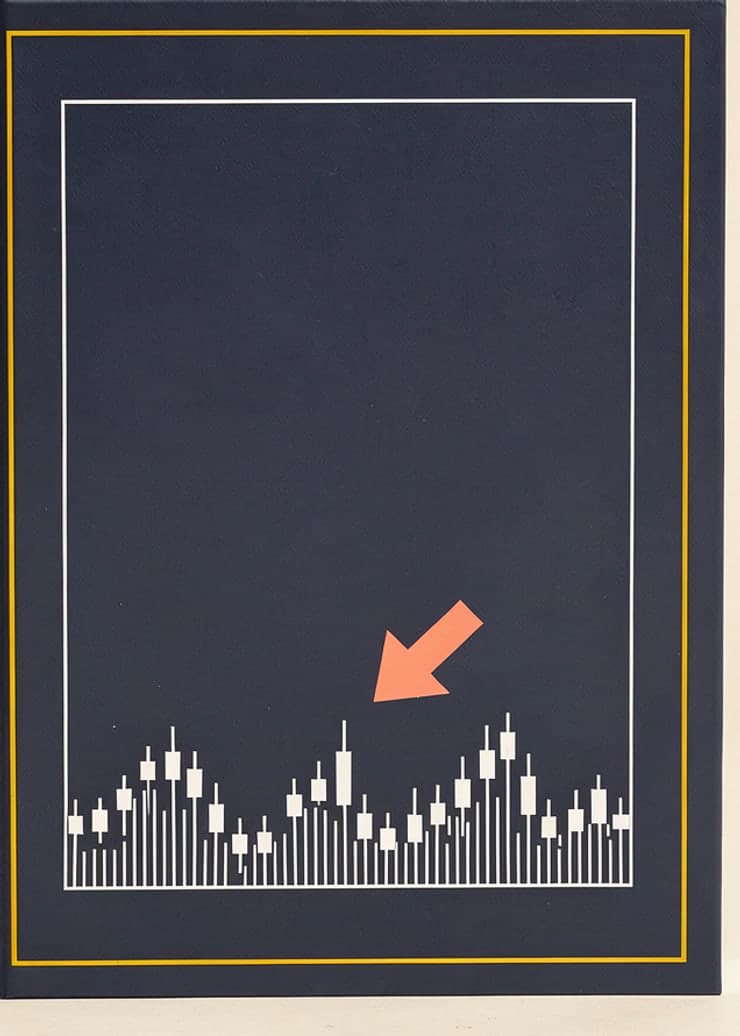
Here is the same row read by two traders. On 24 December 2025 a pending order to buy the euro against the dollar filled at 1.18040 at 03:30 and was closed by its stop at 1.17790 at 16:45, minus 25 pips and 100 dollars at 0.40 lot. The attached reading has an I in every line: I was right, it stopped me out, the market took my money, I have to make it back. The detached reading has none: trade 41, filled, closed at the stop, minus 25, grade A, next row. The row is the same row. Detachment is a way of reading it, and a way of reading is something that can be practised, one row at a time.

A referee

Picture a referee's whistle and card. A referee has no team. The whistle goes the moment the rule says so, the card is the same card for either side, and when a goal goes in the referee is not sad, because there is no side to be sad for; the game simply continues. Detachment is refereeing your own trade. The rule makes the call, the stop is the whistle, and the result is a fact about the game rather than a verdict on the referee. It is not that the referee does not care about the game. It is that the score is not theirs, and a trader's score, oddly, is not theirs either. It is the plan's.

This paper is locked