For Business

Trading Psychology

How to Follow Your Own Plan

A plan is followed when it is short enough to be read at a glance, exact enough to leave nothing to decide, and kept where the eyes go. This paper shows you six lines on one card and the real day, 17 December 2025, on which they were followed line by line; the idea as a sat-nav route chosen at the kerb and driven turn by turn; where plans break, as six stepping stones with the vague one wobbling; the card on a lanyard at eye level; and the plan written on the chart itself on your platform as a text object.

Difficulty
Advanced
Reading time
5 min
Pages
8
Reviewed by
Saman Rahbar

This paper is locked

Read it in the browser and keep the PDF with Premium, or buy this one paper.
Six lines on one card

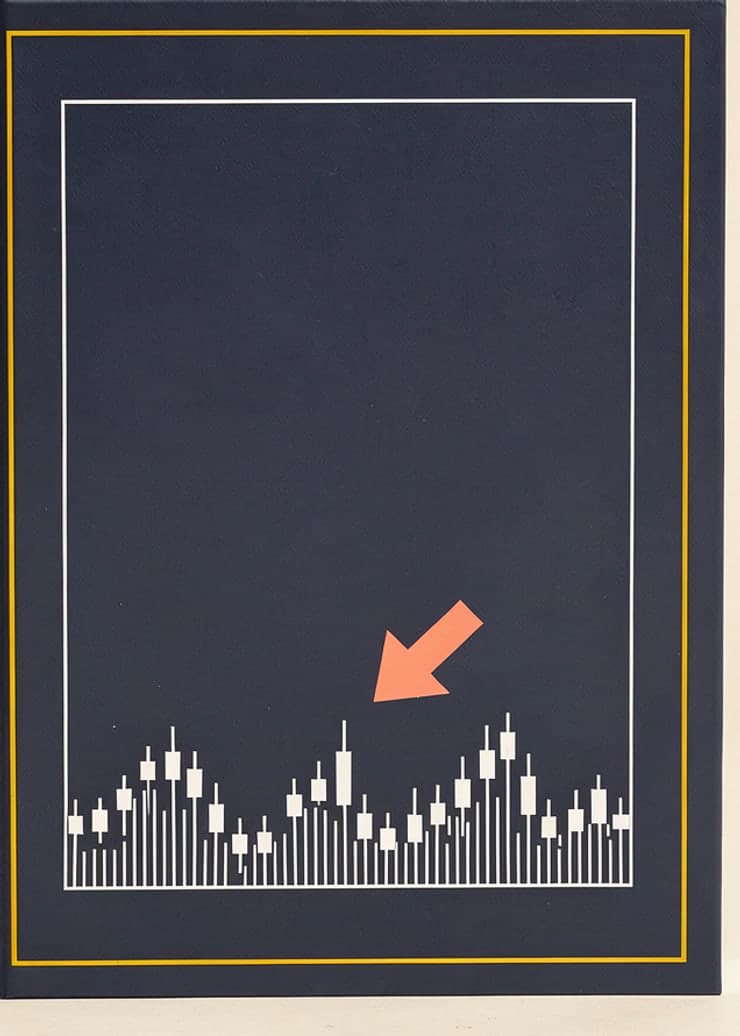
A plan that can actually be followed is a short one. Six lines on one card, with these as example rules: the instrument, the euro against the dollar on fifteen-minute bars; the picture, a close above the morning's range; the size, 0.40 lot, one percent at the stop; the stop 25 pips under and the target 25 over; one trade a day, then the screen shut. On 17 December 2025 the card was followed line by line: the close at 1.17166 at 10:15, the size and the two prices typed from the card, the target reached at 16:45, the day ended. Every line is a number or a picture. Nothing on the card needs interpreting at 13:30, which is the hour interpreting goes wrong.

A sat-nav route

Picture a sat-nav with a route on it. The route was chosen at the kerb, on the map, with the engine off and the whole city visible; at each junction the screen says turn, and the driver turns. Nobody re-plans the route at every junction with the traffic behind them, and a driver who did would never arrive. A plan followed is a route driven. The choosing was done parked, on the morning of the plan, and the driving is only turning where it says, which is a smaller and calmer thing than choosing, and is all the afternoon is asked to do.

This paper is locked