For Business

Trading Strategies

How to Add a Filter to a Strategy

A filter is one more line on a strategy card that must also be true before a cue counts, and it only ever takes cues away. This paper shows you a cue on gold in 2025 from real bars — a fresh twenty-day high, twenty-six times — and the fourteen a filter of RSI under 70 keeps; the idea as a height barrier over a road; the autumn on the chart, when six fresh highs all came with RSI above 70 and the filter removed every one; four filters on the same cue, counted; and the Levels tab that draws a filter's number in the indicator window on your platform.

Difficulty
Advanced
Reading time
5 min
Pages
8
Reviewed by
Saman Rahbar

This paper is locked

Read it in the browser and keep the PDF with Premium, or buy this one paper.

Twenty-six cues, fourteen kept

A filter is one more line on the card that must also be true before a cue counts. Take a cue on gold in 2025: the day's high above the highest high of the twenty days before. It came twenty-six times. Add a filter — RSI under 70 on the day before, RSI being a reading from 0 to 100 of how hard the price has been pushing — and fourteen of the twenty-six remain. A filter only ever takes cues away; it cannot add one. Which cues it takes is on the chart, and here all six of the autumn's, September and October, were among the twelve removed.

A height barrier

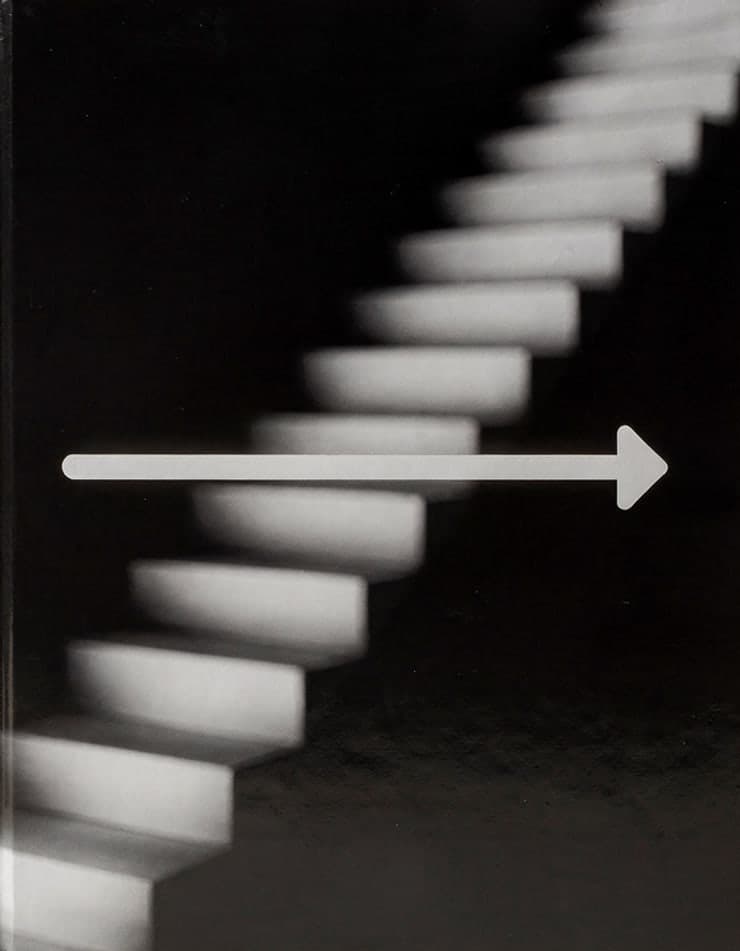
Picture a height barrier over a road. Everything that reaches the road is a cue the card already had; the bar decides which of them go on. A filter is that bar: one more line that must also be true, with a number on it — RSI under 70, the typical day under 60 dollars, the close also above the old high. Move the number and a different set of cues fits under it. The filter does not make a cue better. It makes the card speak less often, on days of one kind, and the kind is whatever the number describes, which is why the number has to be chosen for a reason the card can state.

This paper is locked