For Business

Trading Psychology

How Much Screen Time Is Too Much

Screen time is too much when it is more than the plan needs, and the plan's need is measured in minutes: a check of the picture and a close for each trade. This paper shows you a week of forty-five hours at the screen against the fifty minutes the plan asked for, in example figures; the idea as a watched kettle, which boils no sooner for being stared at; the week as forty-five squares with ten gold ones; the trader's chair, empty for most of the day with the alert sitting in it; and the sound-alert setting on your platform that lets the eyes leave.

Difficulty
Intermediate
Reading time
5 min
Pages
8
Reviewed by
Saman Rahbar

This paper is locked

Read it in the browser and keep the PDF with Premium, or buy this one paper.
The hours and the minutes

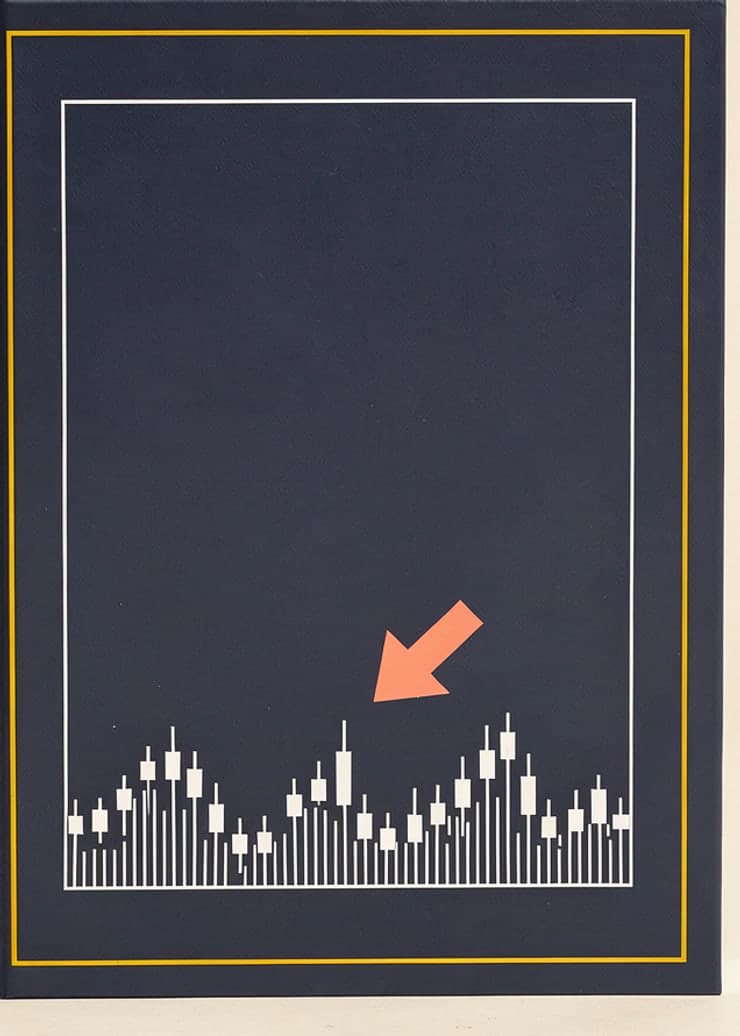
The question is the gap between the hours the screen is open and the minutes the plan needs it. One week, with these as example figures. The screen open from eight to five, five days: 45 hours. Trades the plan produced: five. Moments the plan actually needed the screen: ten, a check of the picture and a close for each trade, about five minutes each. Fifty minutes. The other 44 hours were watching, and watching is not extra care; it is the time in which the no-setup trades, the moved stops and the early closes are made. Screen time is too much when it is more than the plan needs, and the plan's need is measured in minutes.

A watched kettle

Picture a watched kettle. It boils when the water is hot, and not a second sooner for being stared at; the watching does nothing to the kettle. It does something to the watcher, who has stood at the hob for an hour and is now bored, restless, and ready to call any wisp of steam a boil. A setup arrives when the market makes it. The screen time spent before it arrives is spent on the trader, not on the setup, and the trader after four hours of it is not the same trader who sat down, and not the one who wrote the plan.

This paper is locked