For Business

Trading Strategies

Entry Rules and Exit Rules Explained

Every strategy card has two lines: an entry rule that opens a watch and an exit rule that shuts it, and the exit decides how long every watch is. This paper shows you one card on gold from real bars — in when the 20-day average crosses over the 50-day, out when it crosses back — with three watches of 137, 11 and 150 trading days; the idea as a room with two doors; the summer of 2025 on the chart, when the two averages crossed four times in four weeks; one entry shut three different ways, by the opposite cue, by a number of bars and by a level; and the trade history drawn on your platform.

Difficulty
Advanced
Reading time
5 min
Pages
8
Reviewed by
Saman Rahbar

This paper is locked

Read it in the browser and keep the PDF with Premium, or buy this one paper.

Two lines, three watches

Every strategy card has two lines that face each other. The entry rule opens a watch: the day the card starts caring about the price. The exit rule shuts it: the day the card stops. Take one card on gold: in when the 20-day average crosses above the 50-day, out when it crosses back. From January 2025 the card opened a watch on 17 January and shut it on 30 July, 137 trading days later; opened one on 4 August and shut it on 19 August, eleven days; opened one on 25 August and shut it on 25 March 2026, 150 days. The entry says when a watch begins. The exit says everything about how long it is.

A room with two doors

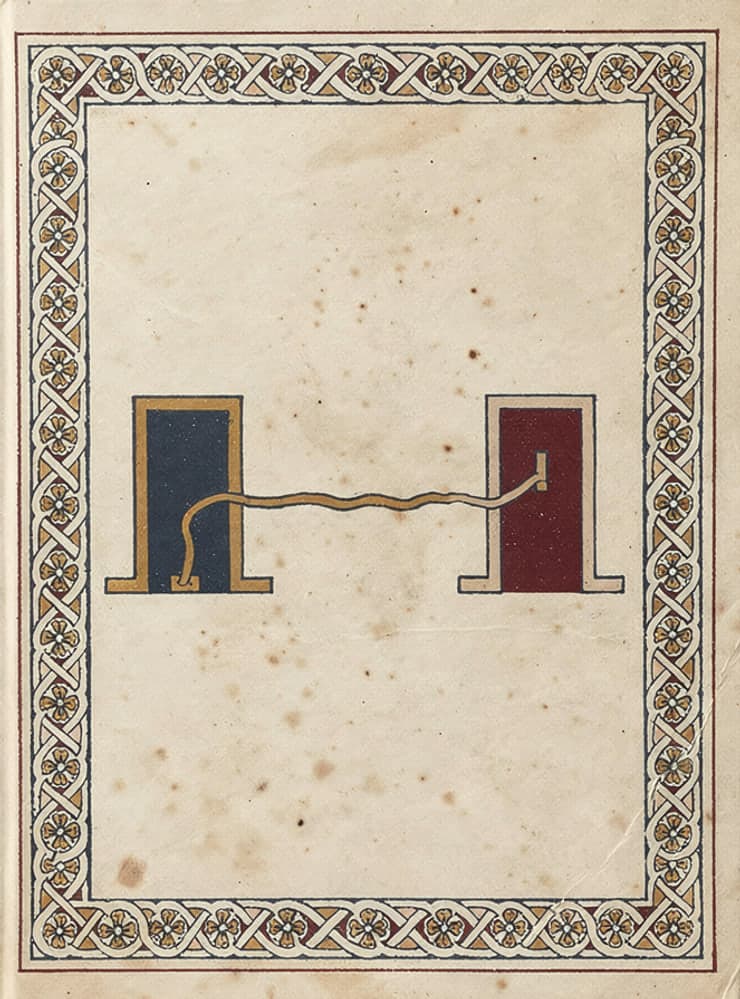
Picture a room with two doors. The entry rule is the way in, the exit rule is the way out, and the watch is the time spent in the room between them. A room with one door is a trap, and a card with only an entry rule is a room with one door: the way out gets decided afterwards, on the day, by whoever is in the room and however the day feels. The exit is named on the card before the entry is used. There are three kinds of exit door — the opposite cue, a number of bars, or a level — and the card says which one this room has.

This paper is locked