For Business

Risk & Money Management

What Is the 2% Rule

The 2% rule says no single trade may lose more than two per cent of the account, a wider square than the 1% rule and the same idea. This paper shows you the two rules side by side on one trade on gold at a real price — twice the size, and half the losses to halfway; the idea as a staircase whose steps the rule makes taller; twenty losses in a row drawn out under both rules; the same 200 dollars as two per cent of one account and one per cent of another; and the size box in the One Click Trading panel on your platform.

Difficulty
Beginner
Reading time
5 min
Pages
8
Reviewed by
Saman Rahbar

This paper is locked

Read it in the browser and keep the PDF with Premium, or buy this one paper.
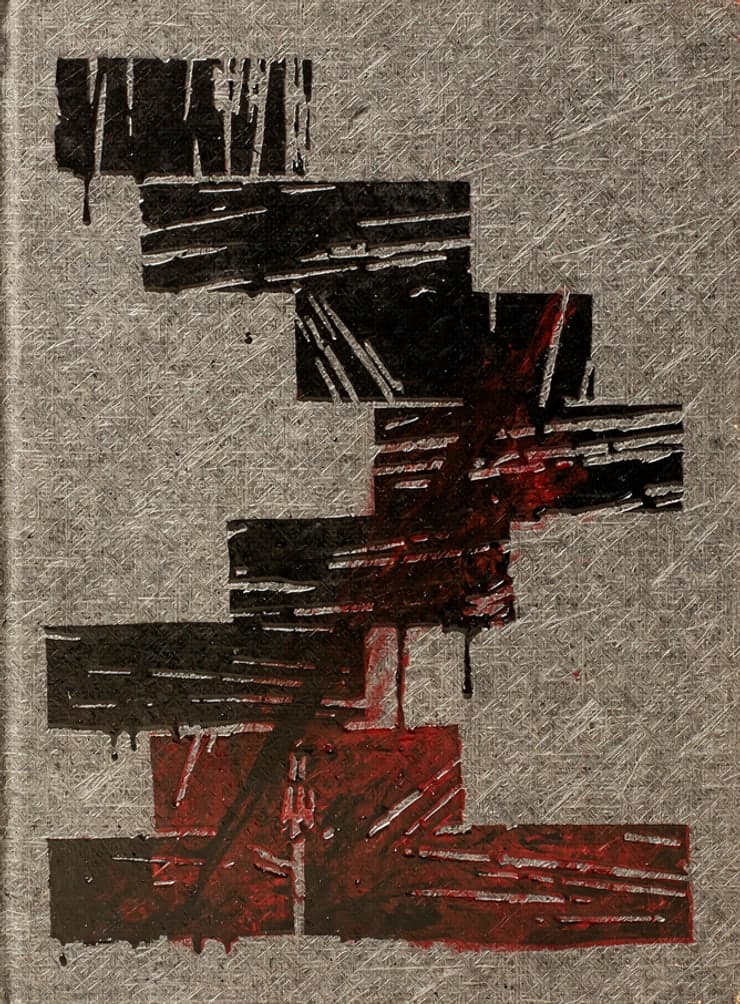
The 2% card beside the 1% card

The 2% rule says no single trade may lose more than two per cent of the account. It is the same idea as the 1% rule with a wider square, and the two are easiest to see side by side on one trade. Take gold at its 17 December 2025 close of 4338.28, a 20-dollar distance to the stop as an example, and a 10,000-dollar example account. At one per cent the trade may lose 100 dollars and its size is 0.05 lot; at two per cent, 200 dollars and 0.10 lot. Same price, same distance, twice the size. And by arithmetic alone, the account is halved by 35 losses in a row at two per cent, against 69 at one.

A staircase with taller steps

Picture a staircase. Every loss is one step down, and the rule sets how tall a step is: a 2% step is twice as tall as a 1% step. Nobody chooses how many steps down a bad month takes; the market hands out the steps. The rule chooses only how tall each one is, and that decides where the same run of losses leaves the account — halfway down after 35 steps at two per cent, after 69 at one. The 2% rule is a steeper staircase than the 1% rule. The flight is the same length in steps, and it is not the same length in height.

This paper is locked