For Business

Risk & Money Management

What Is the 1% Rule

The 1% rule says no single trade may lose more than one per cent of the account, whatever the trade's distance or size. This paper shows you the rule on the euro at its 17 December 2025 close at three example distances, each turned into a size that loses exactly 100 dollars of a 10,000-dollar example account; the idea as an account drawn as a hundred squares, one of which a trade may colour in; what a run of losses at one per cent leaves, in arithmetic; where the platform's smallest lot makes the rule impossible on a small account; and the balance the rule is one per cent of on your platform.

Difficulty
Beginner
Reading time
5 min
Pages
8
Reviewed by
Saman Rahbar

This paper is locked

Read it in the browser and keep the PDF with Premium, or buy this one paper.
The rule on one trade

The 1% rule says no single trade may lose more than one per cent of the account, whatever the trade's distance or size. Take the euro against the dollar at its 17 December 2025 close, 1.17398, on a 10,000-dollar example account: the rule's number is 100 dollars. Three example distances to the stop, 10, 25 and 50 pips, give three sizes, 1.00, 0.40 and 0.20 lot, and each of them loses exactly 100 dollars if its stop is hit. The rule is about the hundred dollars. The distance can be anything the chart gives; the size is what makes it a hundred, and the rule is kept by the size.

A hundred squares

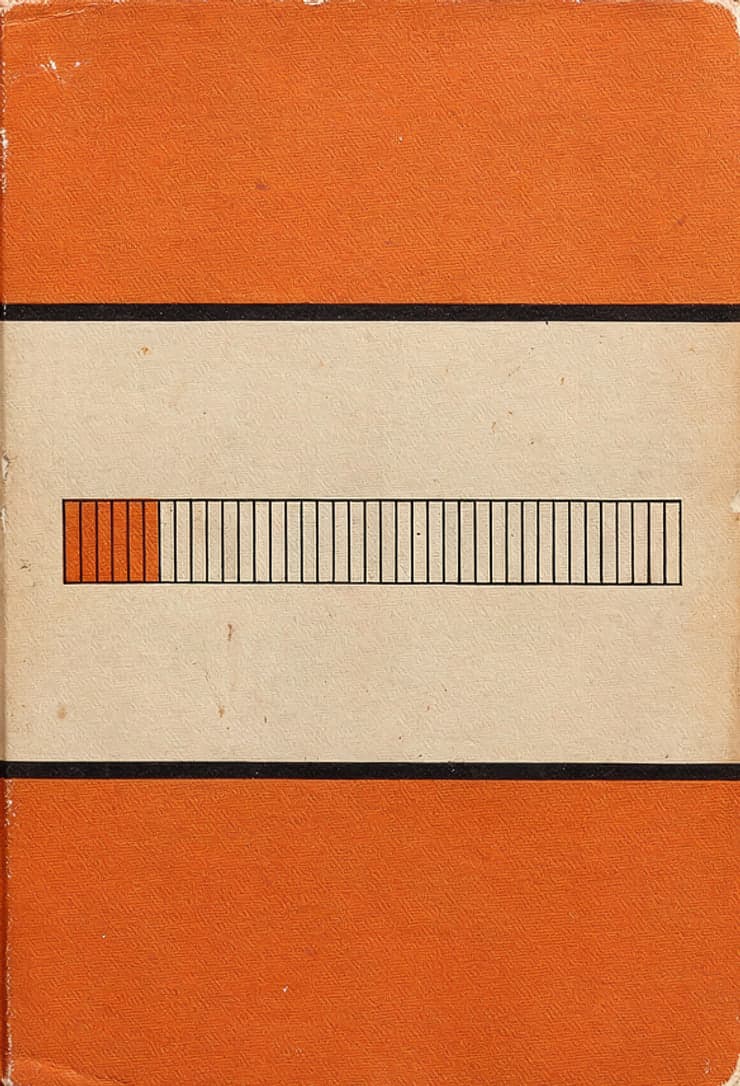
Picture the account drawn as a hundred squares. One trade may colour in one of them, if its stop is hit, and no more; the other ninety-nine are untouched by that trade. That is the whole of the rule, and it is why it is written as a share rather than a sum: on a 10,000-dollar account a square is 100 dollars, on a 2,000-dollar account it is 20, and on both the grid has a hundred squares. A hundred squares is a hundred trades' worth of being wrong, which is the room the rule buys. The grid is still mostly white after a bad month, and that is the point of it.

This paper is locked