For Business

Risk & Money Management

What Is a Daily Drawdown Limit

A daily drawdown limit is a floor set each day under the account's equity, with open trades' floating losses included, that stands until the server's midnight and is then set again from the new balance. This paper shows you one example afternoon on a 100,000-dollar account where an open trade took the equity to 500 dollars from a 95,000 floor while the closed losses were 3,500 from it; the idea as a curfew on the server's clock; the closed-only line and the equity line drawn together; which starting number the floor hangs from, the balance, the equity or the higher of the two; and the Equity in the footer of your platform, which is the number the firm measures and the platform does not stop at.

Difficulty
Advanced
Reading time
5 min
Pages
8
Reviewed by
Saman Rahbar

This paper is locked

Read it in the browser and keep the PDF with Premium, or buy this one paper.
One afternoon against the floor

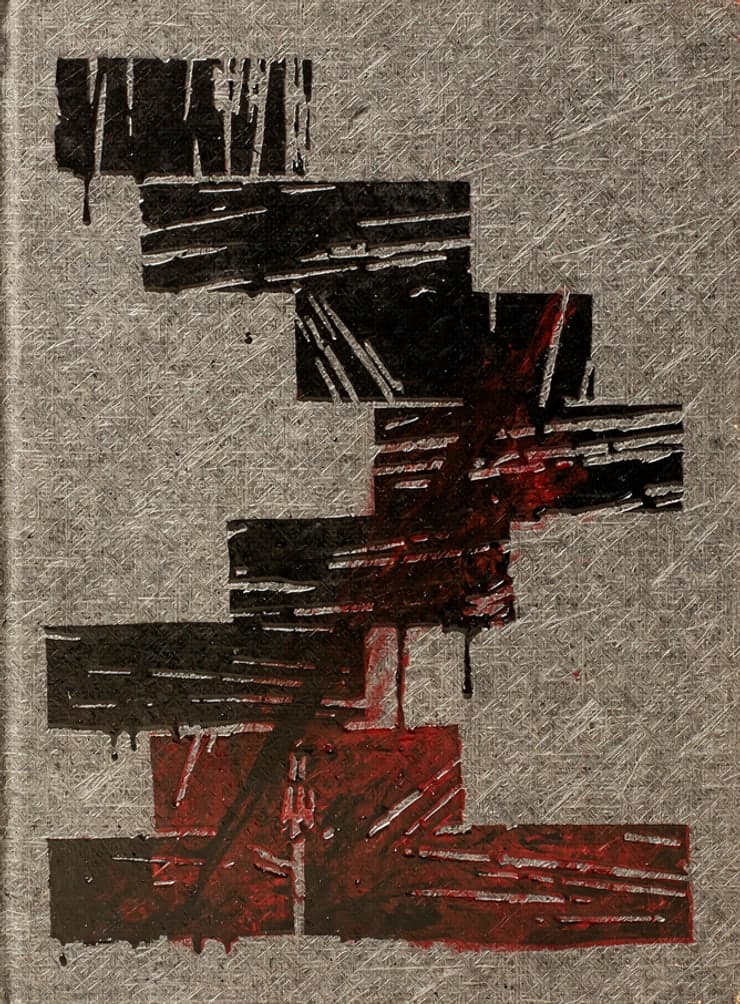
A daily drawdown limit is a floor set each day under the account's equity, and equity counts open trades as well as closed ones. In example figures, a 100,000-dollar account starts the day at the server's midnight; the floor is five per cent under that, 95,000, and it does not move for the rest of the day. By 14:00 the closed losses are 1,500. At 14:52 an open trade is showing a floating loss of 3,000. The equity is 95,500, 500 dollars from the floor, while the closed losses on their own would be 3,500 from it. The open trade is what is standing on the edge, and it is the open trade the limit is watching.

A curfew on the clock

Picture a clock with a curfew on it. The floor is set at midnight on the server's clock, from whatever the balance is then; it stands all day and is lifted at the next midnight, when a new one is set from the new balance. The clock is the part a trader most often misreads, because the server's midnight is rarely their own: a floor reached at 23:59 server time is a floor reached, and a trade opened at 23:30 carries its floating loss across the reset onto the next day's floor. The hands stand at 14:52, the moment of the example, with the afternoon still to run and the floor where it was at breakfast.

This paper is locked