For Business

Trends & Market Structure

How to Use Daily Pivot Points

Daily pivot points are used as a morning routine: make the pivot, R1 and S1 from yesterday's high, low and close, draw them across today, note where the day opens against them and how far each line is, and then read the day by which lines it passes. This paper walks that routine through the euro's 10 October 2025, shows the idea as milestones on a road, puts the day on the hourly chart, reads the three distances at the open, and shows how to fit all three lines on the screen on your platform.

Difficulty
Intermediate
Reading time
5 min
Pages
8
Reviewed by
Saman Rahbar

This paper is locked

Read it in the browser and keep the PDF with Premium, or buy this one paper.
The morning routine

Daily pivot points are used before the day begins. From yesterday's high, low and close — on 9 October 2025 the euro against the dollar had 1.16482, 1.15421 and 1.15636 — the pivot for 10 October is 1.15846, R1 is 1.16272 and S1 is 1.15211. The three lines are drawn across the new day. Then one note: where does the day open against them? At 1.15531, which is 31 pips under the pivot, a pip being the fourth decimal place, the smallest step most people count in. That is the routine, and it takes two minutes.

Milestones on a road

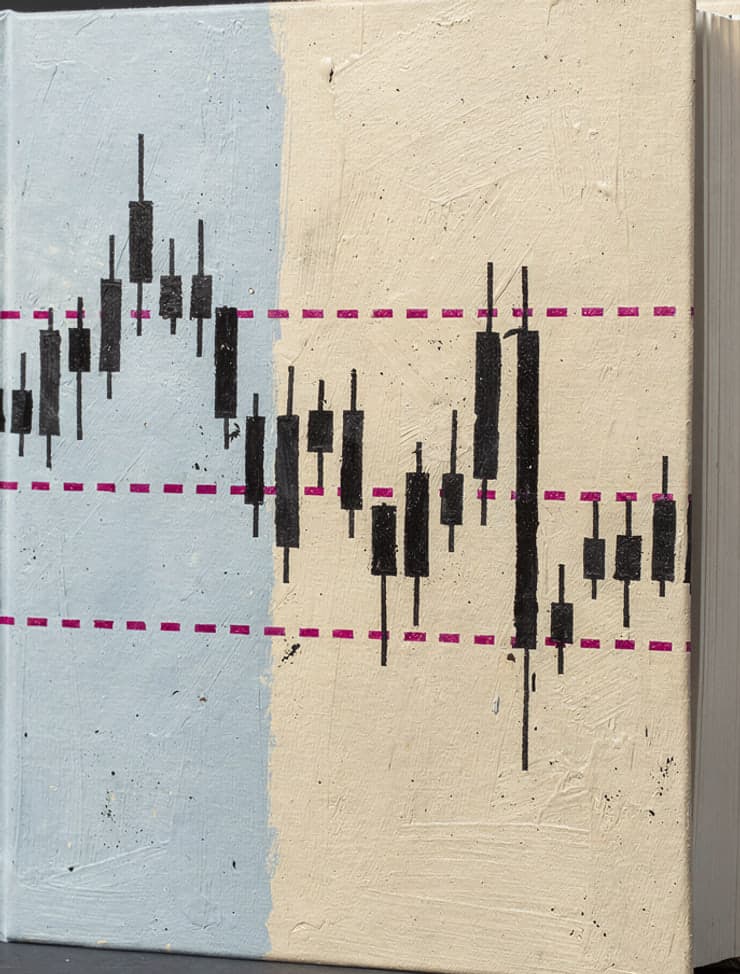
The picture is a road with three milestones. They were set out before the journey began and they do not move during it. The traveller starts somewhere between two of them and walks, and at any moment the stones say how far the day has come and which way. Daily pivots are used the same way: set out in the morning from yesterday's bar, and read during the day as marks the price has passed or has not passed. They describe the day; they do not steer it.

This paper is locked