For Business

Risk & Money Management

How to Survive Ten Losses in a Row

Surviving ten losses in a row is arithmetic done before the first one: the share risked a trade decides what the tenth loss leaves, and at one per cent it leaves 9,044 of 10,000 dollars, with a way back of 10.6 per cent. This paper shows you the run trade by trade in example figures; the idea as two water tanks through ten dry days, one tap set to one per cent and one to five; the ten days on a calendar with the balance written in each; the return ticket, 9.6 out and 10.6 back against 40 out and 67 back; and the Volume column on your platform, which steps down with the balance through the run.

Difficulty
Intermediate
Reading time
5 min
Pages
8
Reviewed by
Saman Rahbar

This paper is locked

Read it in the browser and keep the PDF with Premium, or buy this one paper.
The run, trade by trade

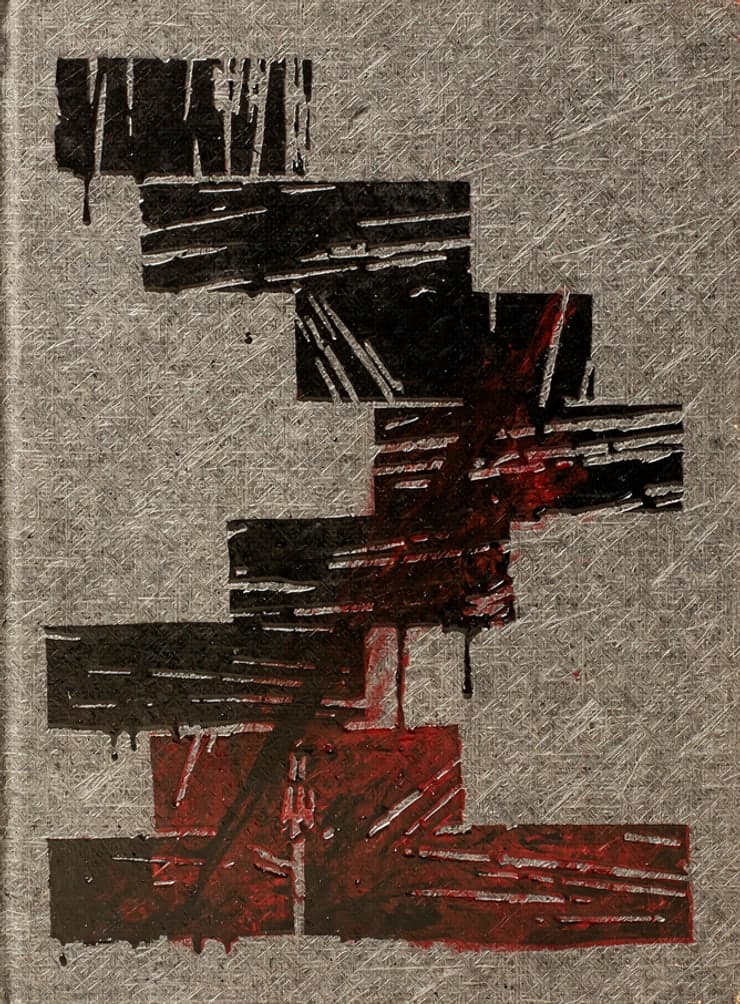
Surviving ten losses in a row is arithmetic done before the first one. Take ten losses, each one per cent of what is left, on a 10,000-dollar example account. The first takes 100, the second 99, the fifth 96, the tenth 91, because each is a share of a slightly smaller number. After ten the account is at 9,044, 956 down rather than 1,000, and needs 10.6 per cent to be back where it started. Nothing during the run decides this. The share chosen before the first trade decided what the tenth loss would leave, and the arithmetic knew the answer before any of the ten happened.

Two water tanks through ten dry days

Picture two water tanks through ten dry days. Each tap is opened once a day and lets out a share of what is in the tank: one per cent on the left, five per cent on the right. After ten days with no rain the left tank is nine-tenths full and the right one is three-fifths. The days were the same for both. The taps were set before the drought, and the setting is the only difference between the tanks. A run of losses is that dry spell, and the share risked a trade is the tap; how much is in the tank on the tenth day was decided on the day the tap was set, by nobody but the person who set it.

This paper is locked